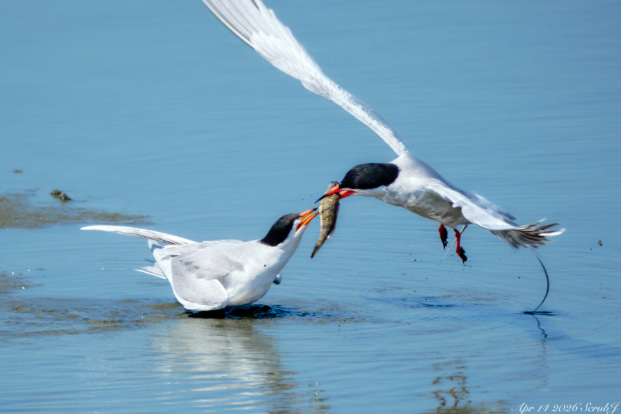
As Mother’s Day has just passed and Father’s Day is coming up, this issue will talk about parenting in the nonhuman animal world. While all but one photo was taken off campus, a lot of the animals (mostly birds as I am a bird expert) mentioned in this article can be found in the adjacent Pasadena area, so keep your eyes out for spring activity!
Most parties don’t become history. But the ones that do tend to share a quality: the people who were there can’t quite agree on what happened, and the people who were not there can’t stop wondering.
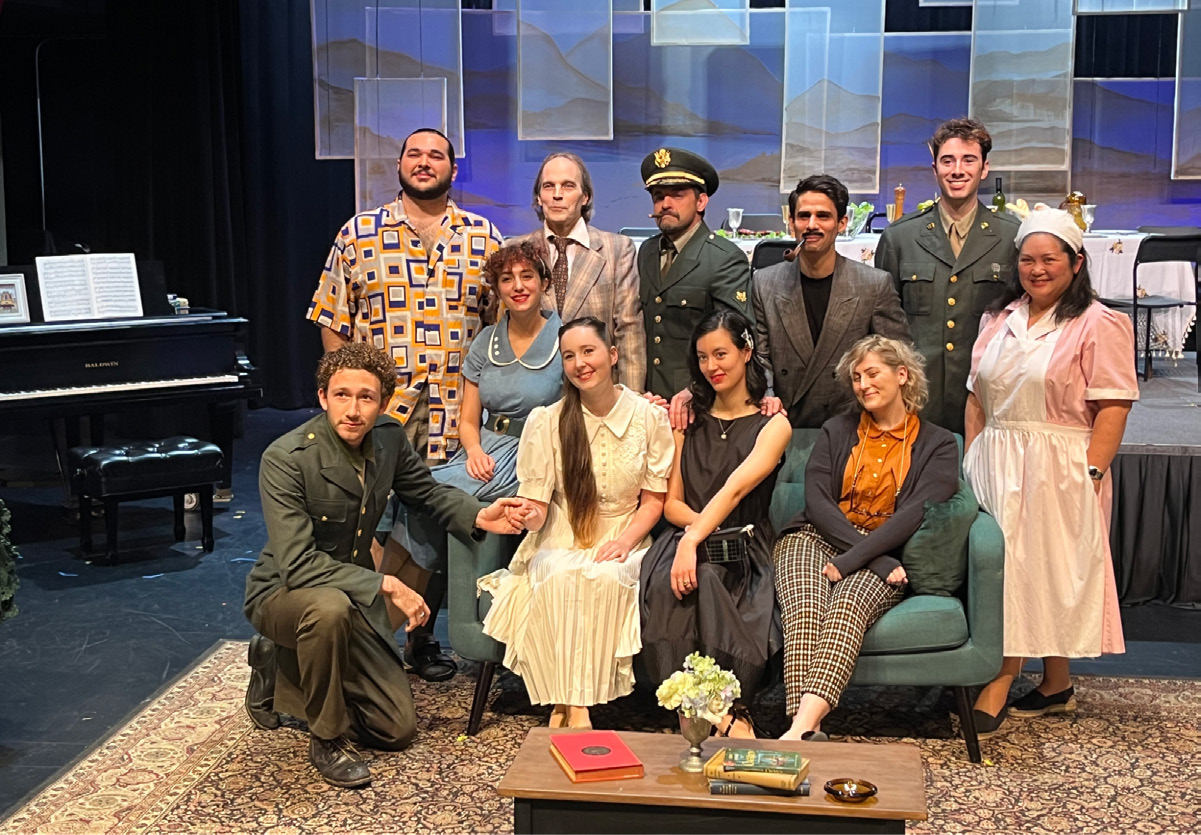
The production’s immediate triumph is visual: a gorgeous, impressionistic mountain range splashed across a collage of canvases, less backdrop than psychic weather. It made the high-desert setting feel both immense and airless, a place with too much sky and not enough future.
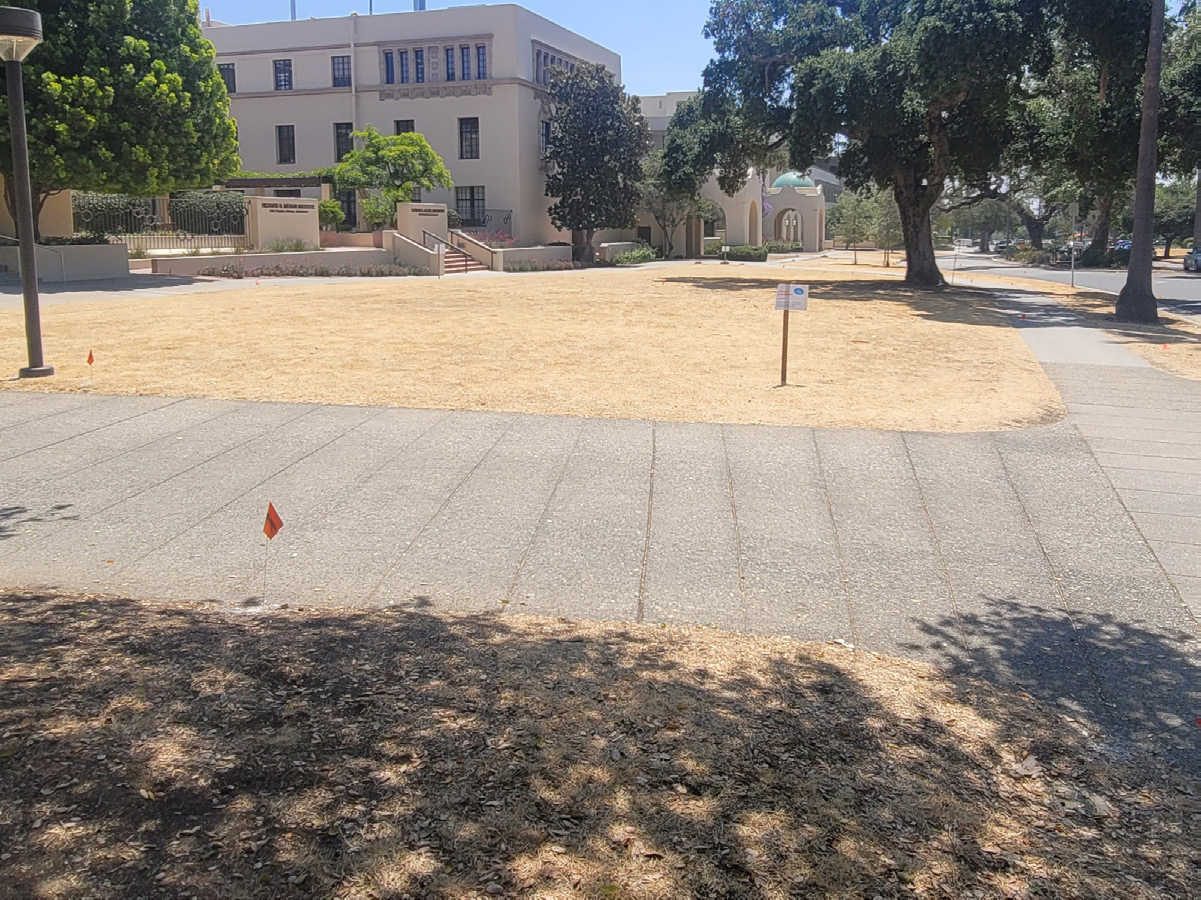
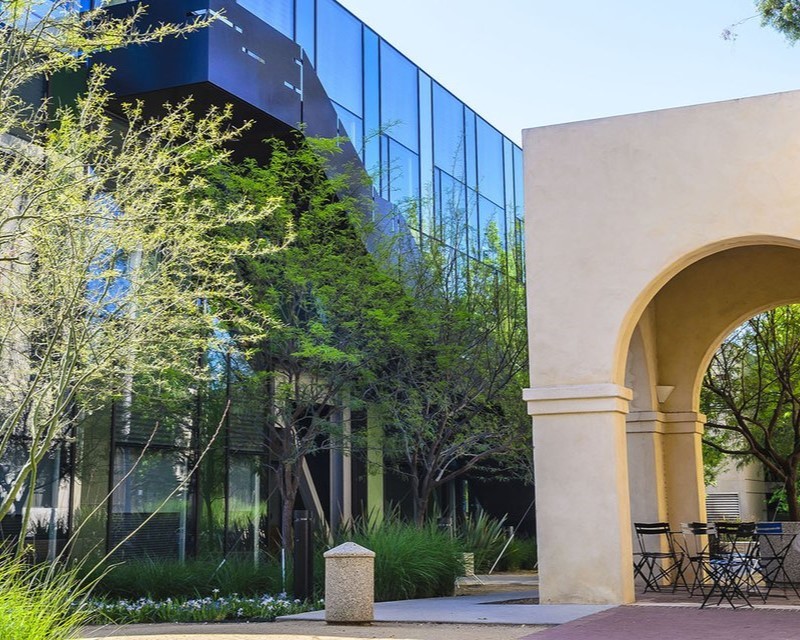
Frequent passersby of southwest campus will have noticed a recent shift in the landscape along Wilson Avenue. Large areas of grass have turned brown and crispy, in apparent contrast with the springtime bloom of the surroundings (Figure 1). While it may look unsightly now, this is only the first step in a multi-year project by the Caltech Facilities department to restore this land’s original, natural beauty.
That soothing strip / Of human mind. / That whisper of echoes / Of from beyond. / That rose that rotates / Of red petals. / That emergence / Of light from dark. / That asymptote / Of familiar tones. / That lovely boundary / Ushering forth. / That special you / In your gaze and hues. / Fathomed to / Through and true. / Under the sun, the moon, / The spring and its dews.
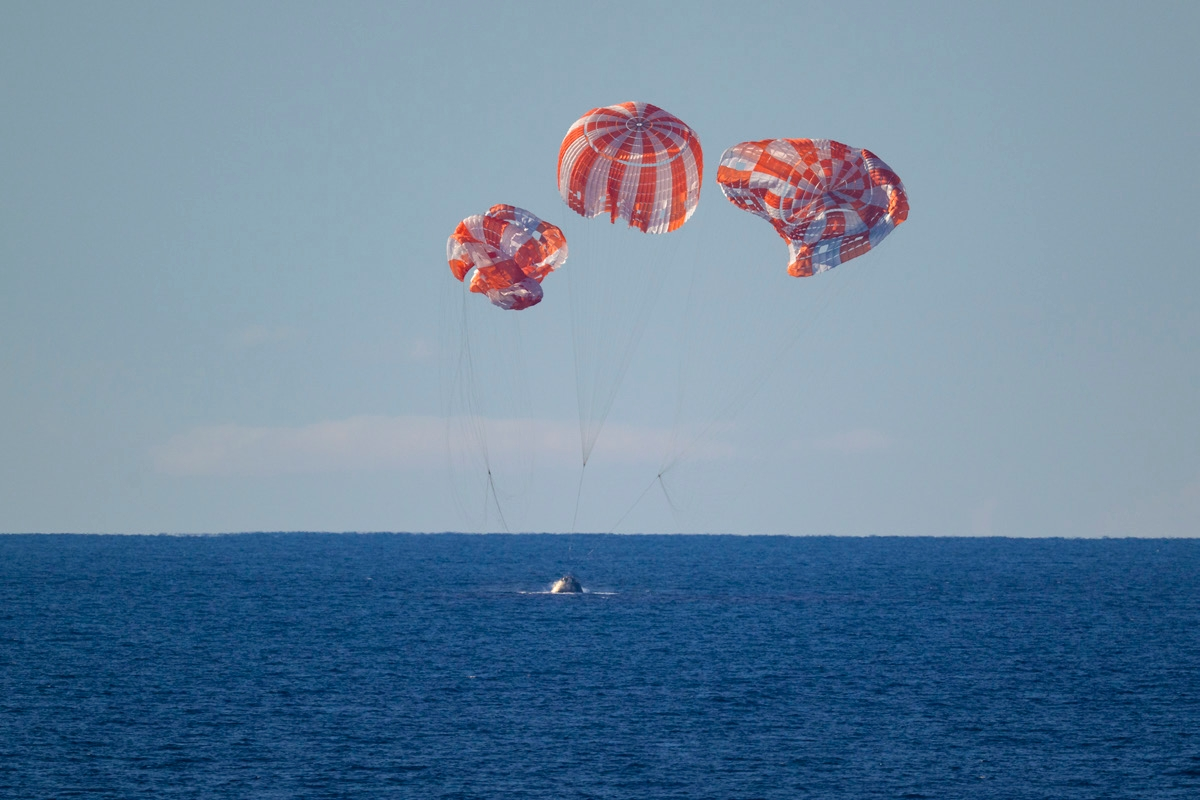
NASA’s Artemis II mission concluded April 10 with a Pacific Ocean splashdown, returning four astronauts from humanity’s first crewed journey to the Moon in more than 50 years and marking a critical step toward future lunar landings.
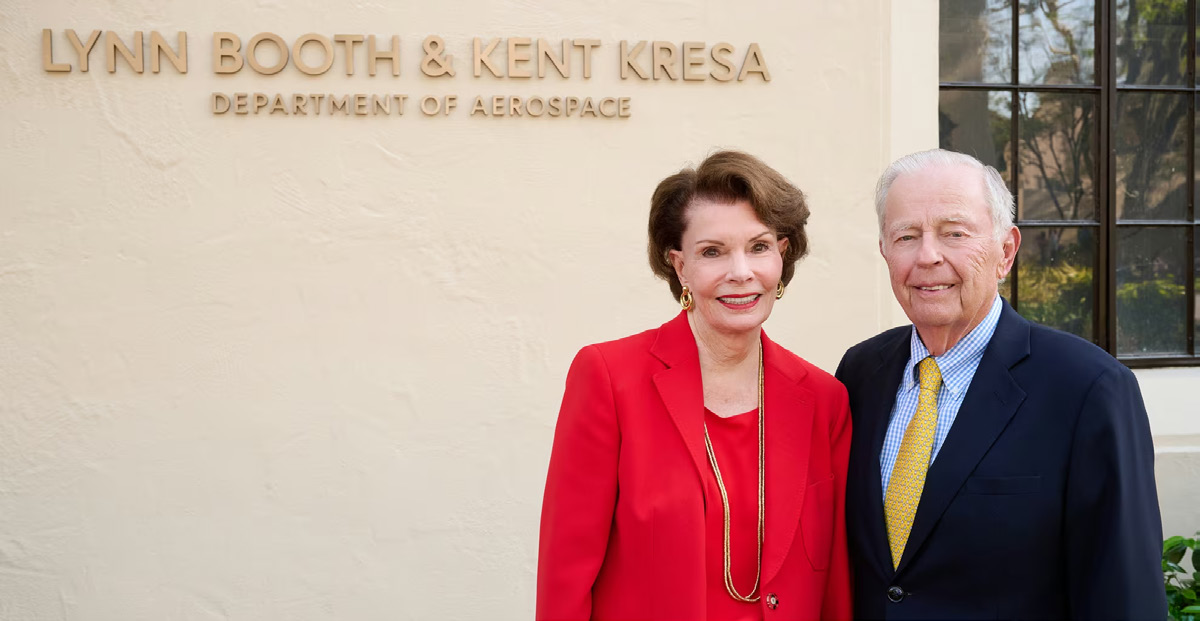
Caltech formally dedicated the Lynn Booth and Kent Kresa Department of Aerospace on April 8, marking the culmination of a $50 million endowment from Trustee Lynn Booth and Life Member Kent Kresa that permanently names and supports one of the Institute’s flagship programs.
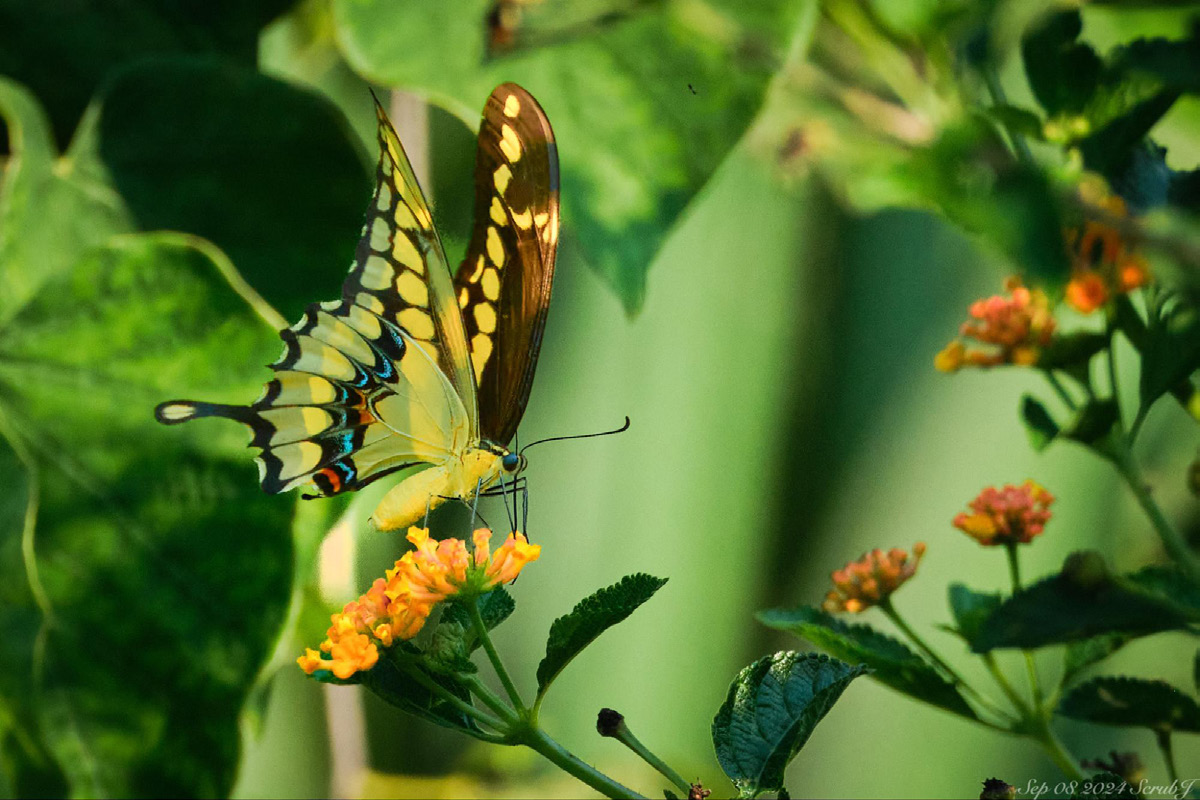
It’s springtime, with blooms everywhere, and who wouldn’t appreciate a pair of colorful wings dancing in front of their eyes? In this issue, your avian specialist takes a small detour and presents some butterfly species on campus. While I haven’t surveyed the area thoroughly, there is a surprisingly rich collection of butterflies here, thanks to the variety of exotic flowers and plants.
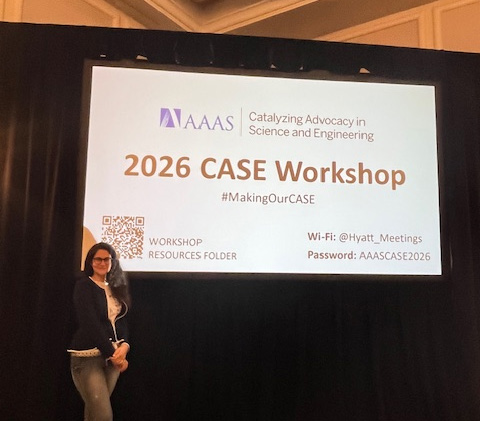
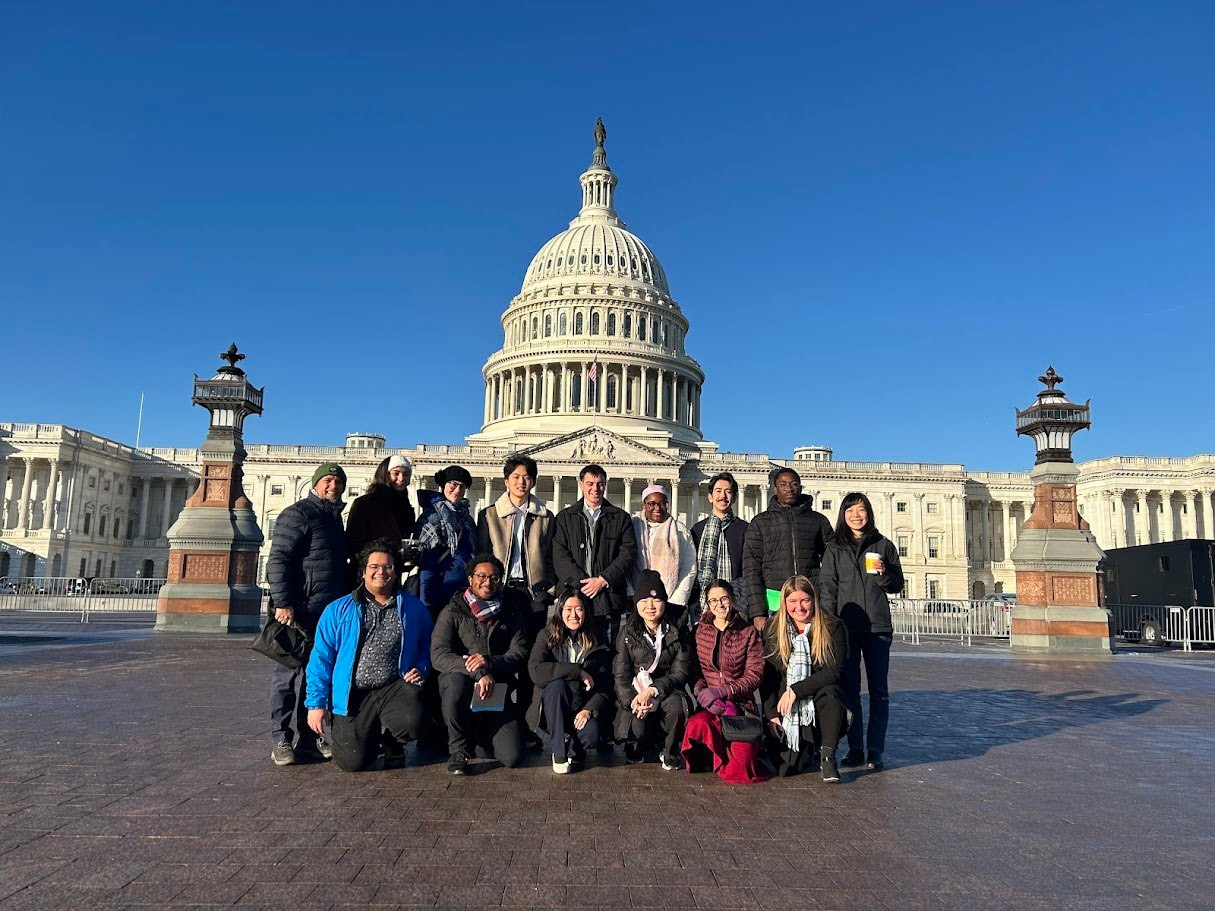
When I think back on my time in Washington, D.C., for the 2026 CASE Workshop, what returns to me first is not a talking point, or a statistic, or even a room. It is motion. It is the feeling of walking being surrounded by students from across the country who had come for the same reason: to understand how science survives in public life.
Right now, most of us are tunnel-visioned on solving a frontier scientific problem. However, the moment you glance up from your microscope, algorithm, or chalkboard, you realize that this myopic luxury is sustained by a delicate flow of federal funding, agency agendas, and perpetual grant writing. We call this hidden backbone of modern science “the lifecycle of a scientific idea.”