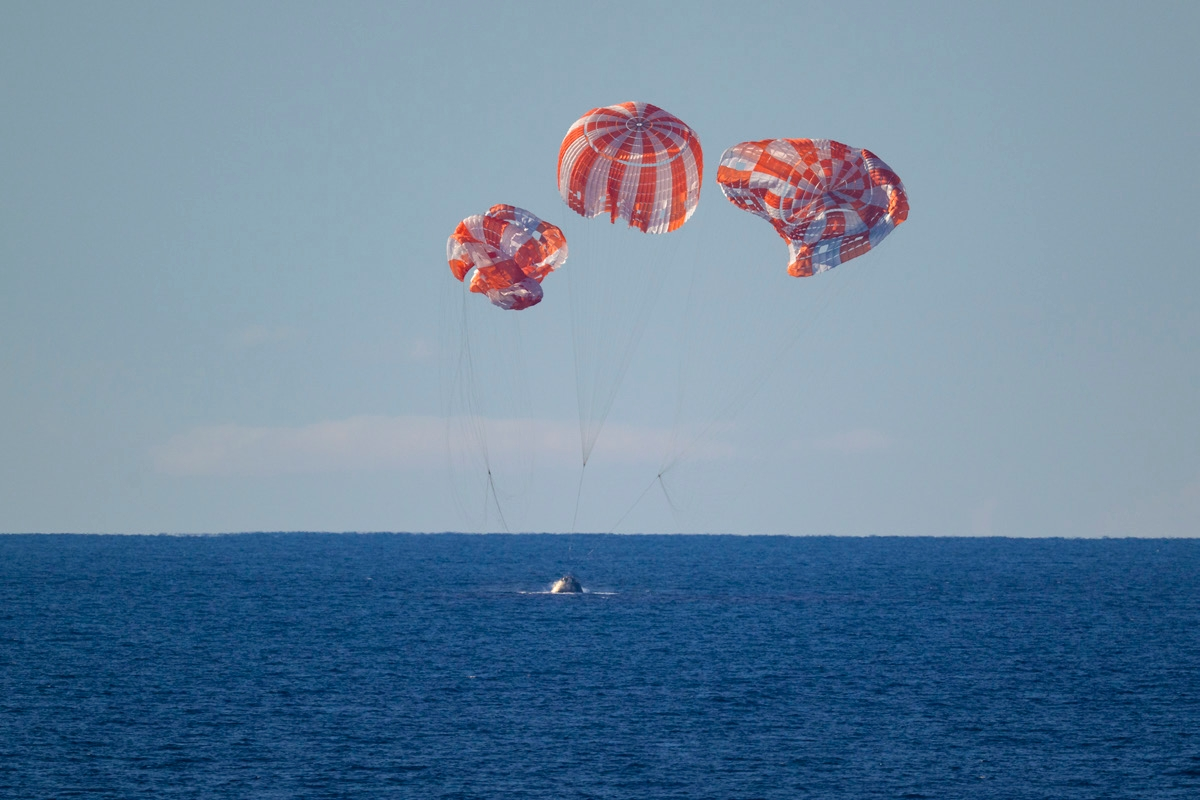
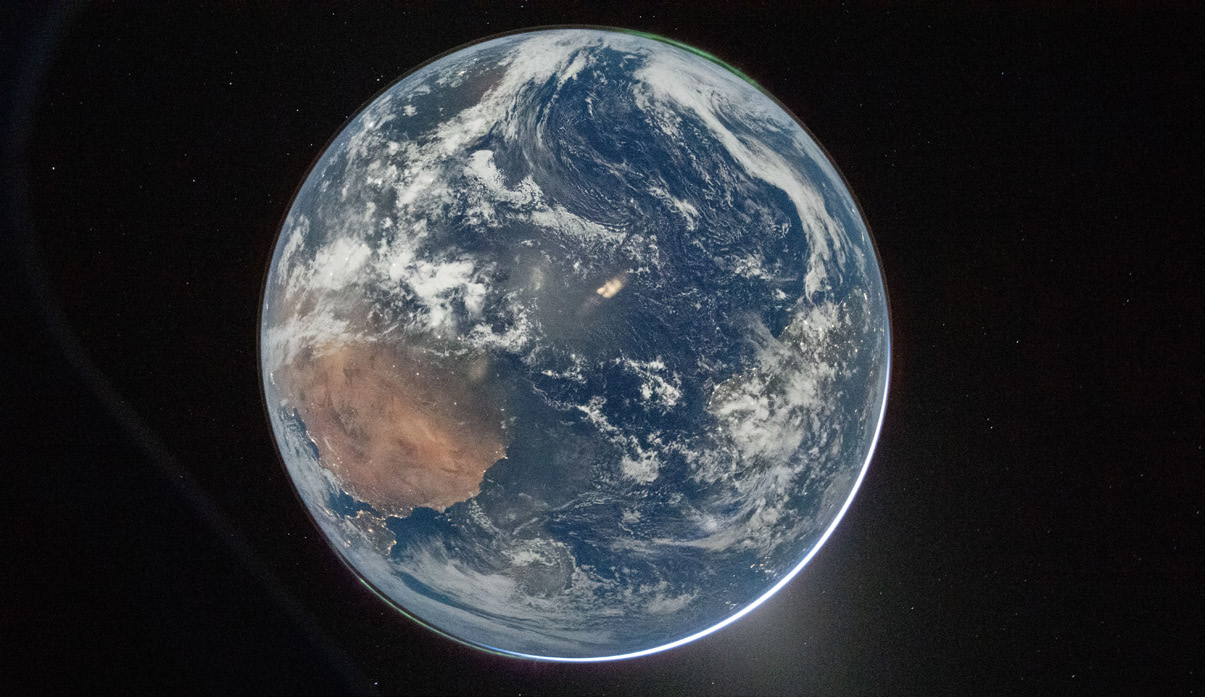
NASA’s Artemis II mission concluded April 10 with a Pacific Ocean splashdown, returning four astronauts from humanity’s first crewed journey to the Moon in more than 50 years and marking a critical step toward future lunar landings.
Just days after liftoff from Kennedy Space Center at 6:35 p.m. EDT on April 1, Artemis II has reestablished a capability absent since Apollo 17: human transit beyond Earth orbit. The mission represents the first crewed validation of a modern deep-space system and marks a transition from experimental demonstration to operational architecture for lunar exploration.
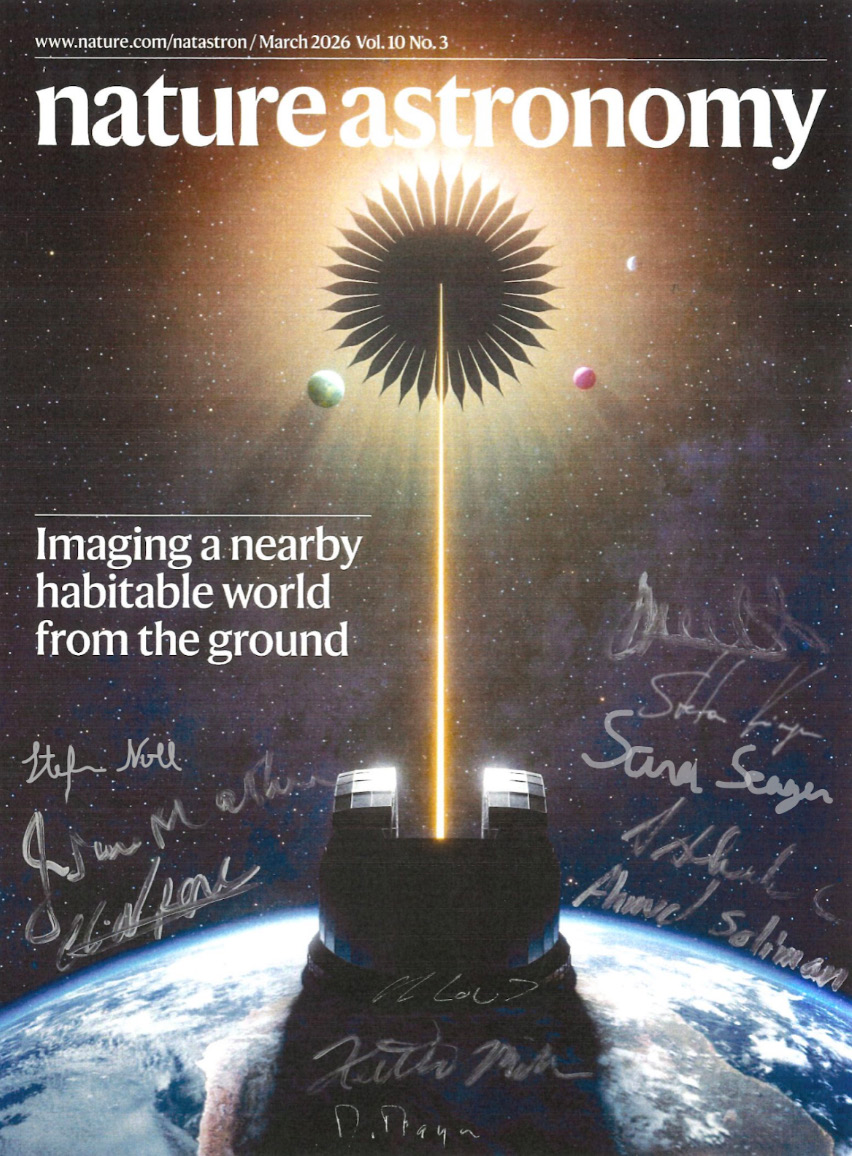
Continuing what we discussed in the previous article (“Can we detect an Earth-like-Exoplanet orbiting a Sun-like-Star for signs of life?,” The California Tech, November 12, 2024), we have published a new study in Nature Astronomy and was selected for the March cover issue of that journal. This study demonstrates the feasibility of directly imaging a Solar System analogue around a nearby star by deploying a space-based starshade in orbit at 170,000 km, to produce an almost perfect shadow across the apertures of Earth’s largest large ground-based telescopes currently under construction.
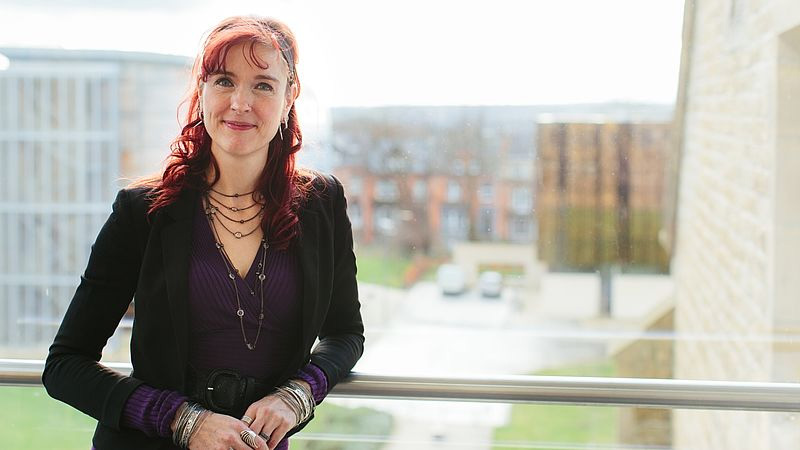
When you see an event titled “Communicating The Climate Crisis,” you might expect another earnest lecture about melting ice caps accompanied by guilt-inducing polar bear photos. But Wändi Bruine de Bruin — Provost Professor of Public Policy, Psychology and Behavioral Science at USC — had a different message for the Student Activism Speaker Series crowd: You’re doing it wrong.
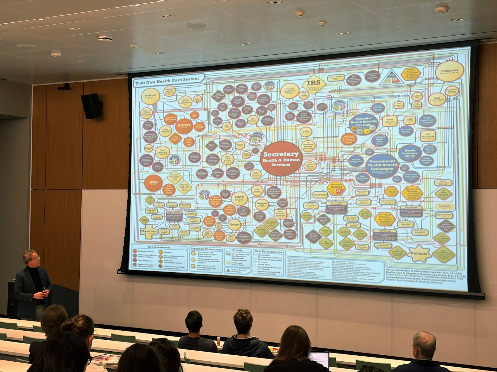
Dr. Jordan Shlain, who presented to the Caltech Longevity Club on January 28, framed his work as a form of moral friction: a refusal, throughout his career, to accept incentives that reward sickness over health. A physician-entrepreneur and civic leader in San Francisco, Shlain has built his companies and philosophy around a single organizing principle: trust.
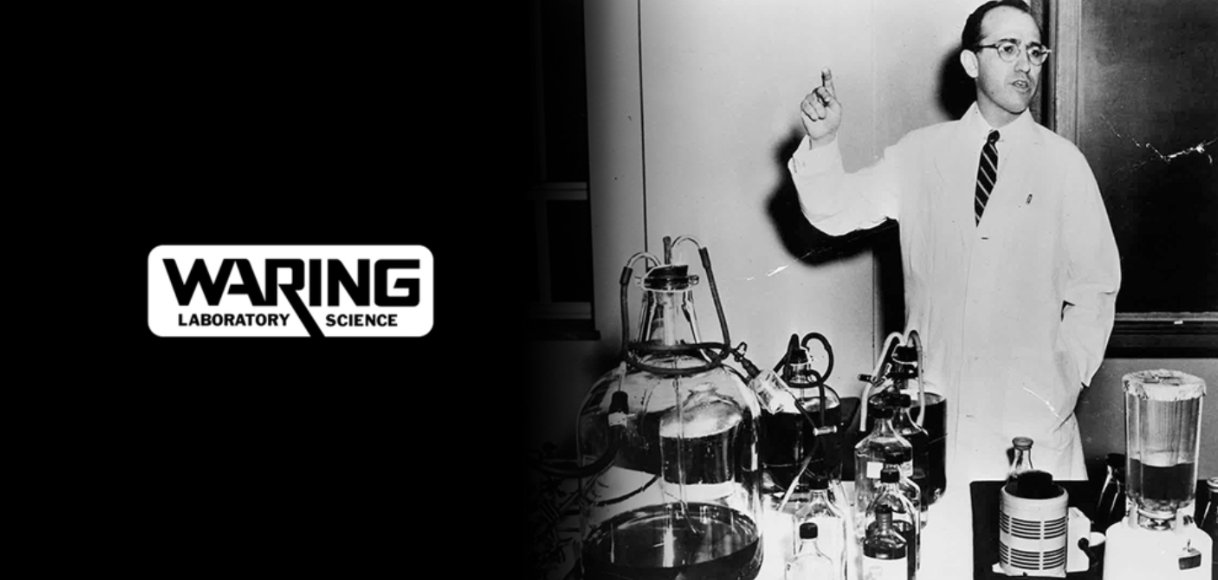
“What do a Waring blender, a wooden toothpick, and CRISPR have in common?” This was the question that Prof. Dianne Newman asked during the first lecture in Microbial Genetics.
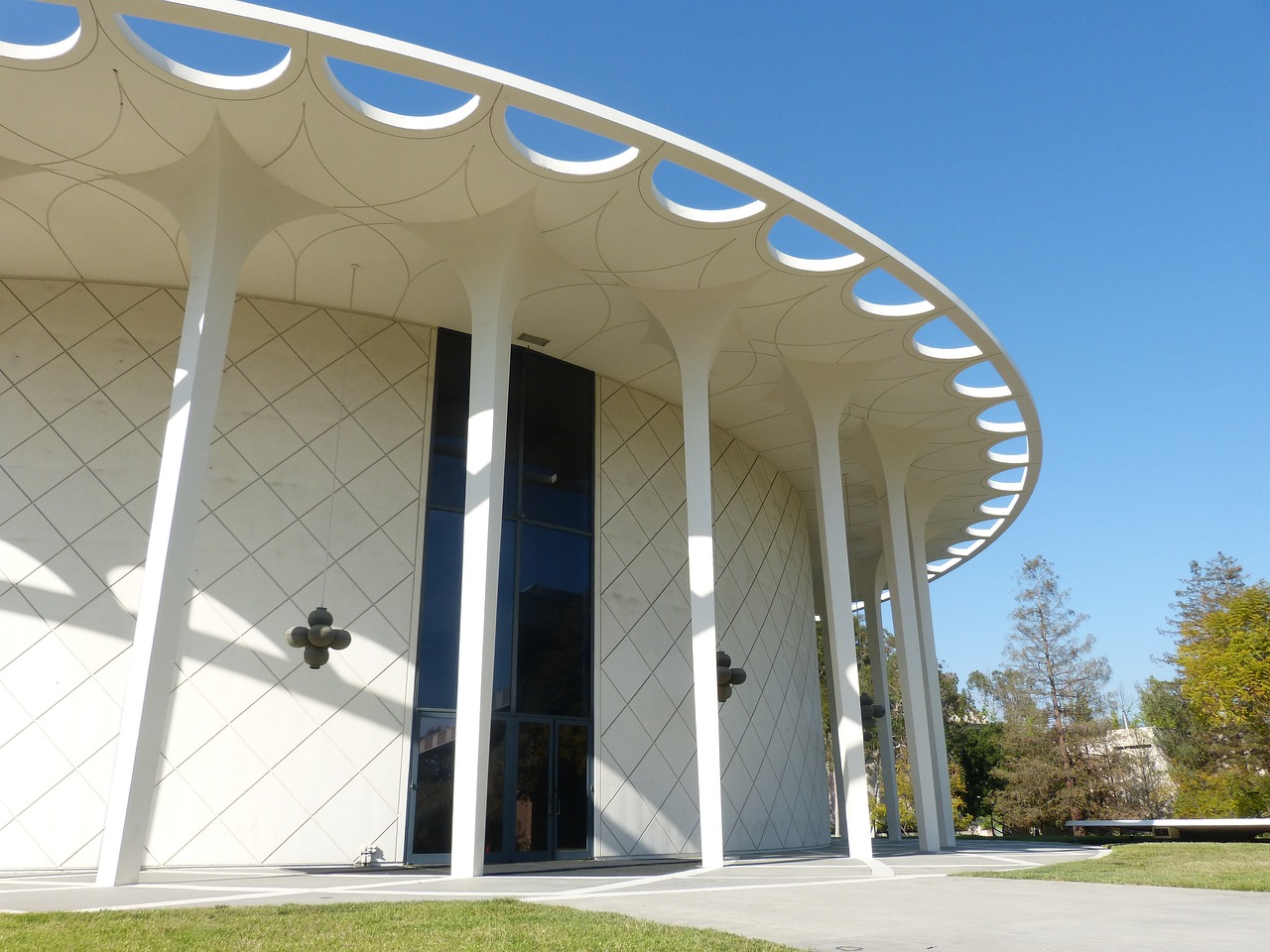
I sat in Beckman Auditorium last night, November 3rd, my iPad open, my pen ready. Around me, students whispered excitedly. Faculty members settled into their seats. The air felt heavy with anticipation—that particular Caltech energy when something important is about to happen.
One afternoon, a father gave his young son an antibiotic for a routine throat infection. Days later, something changed. The child became withdrawn, stopped making eye contact. Within weeks, doctors diagnosed him with autism.
Applications are now open for the 23rd annual Wolfram Summer School, taking place June 22–July 11, 2025, at Bentley University in Waltham, Massachusetts. The three-week program offers students, researchers, and innovators the opportunity to work on real-world projects alongside leading technologists, researchers, and physicists. Participants will collaborate directly with Stephen Wolfram to shape and refine their project goals.
The Academy of Motion Picture Arts and Sciences has opened submissions for the 2025 Student Academy Awards® (SAA), and Caltech students are now eligible to participate. Established in 1972, the SAAs recognize excellence in collegiate filmmaking and support the development of emerging talent in the cinematic arts.