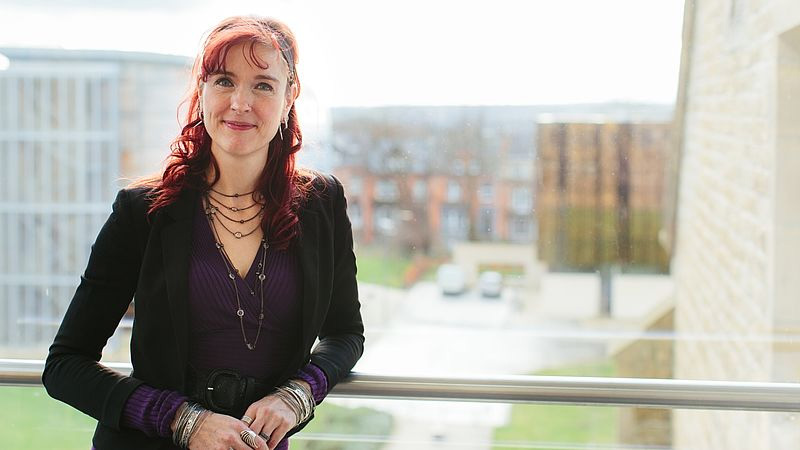
There’s a particular kind of audacity required to fail spectacularly at being a cocktail waitress and somehow turn that failure into a career-defining opportunity. Melissa Magsaysay has made a career out of this kind of alchemy—transforming what others might see as limitations into launching pads, and using fashion journalism to reshape who gets to be seen and heard in an industry notorious for its gatekeeping. Today, as host of the LA Times Studios podcast “Living Well,” a contributing writer for Business of Fashion and Vogue Philippines, and co-founder of Duster—a fashion brand built around the Filipino house dress—Magsaysay has become something her 11-year-old self, thumbing through fashion magazines in the San Francisco Bay Area, might not have imagined: a voice who uses fashion as a lens to examine larger questions of representation and cultural heritage.
There is a specific kind of silence that lives inside high-achieving students. It is not the silence of a quiet library or a sleeping dorm room. It is the silence of a mind that has been running for so long, so loudly, that the noise has become indistinguishable from who you are.
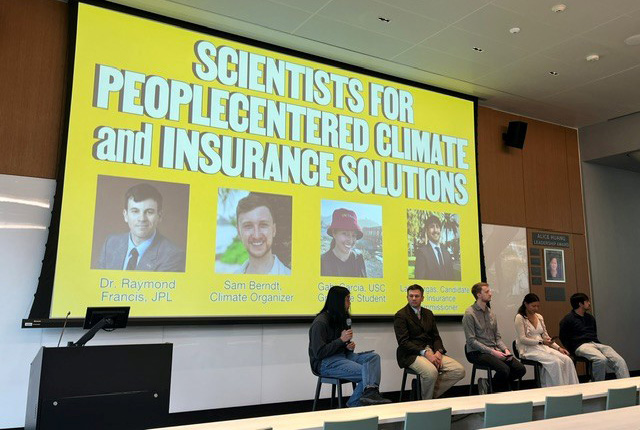
In Chen 100, the evening’s panel wasn’t your typical academic climate discussion. Sure, there were JPL scientists who operate Mars rovers and analyze biodiversity with terabytes of satellite data. But these researchers had something else in common: they’re also union organizers, tenant advocates, and community activists who’ve learned that solving climate change requires more than just better science.
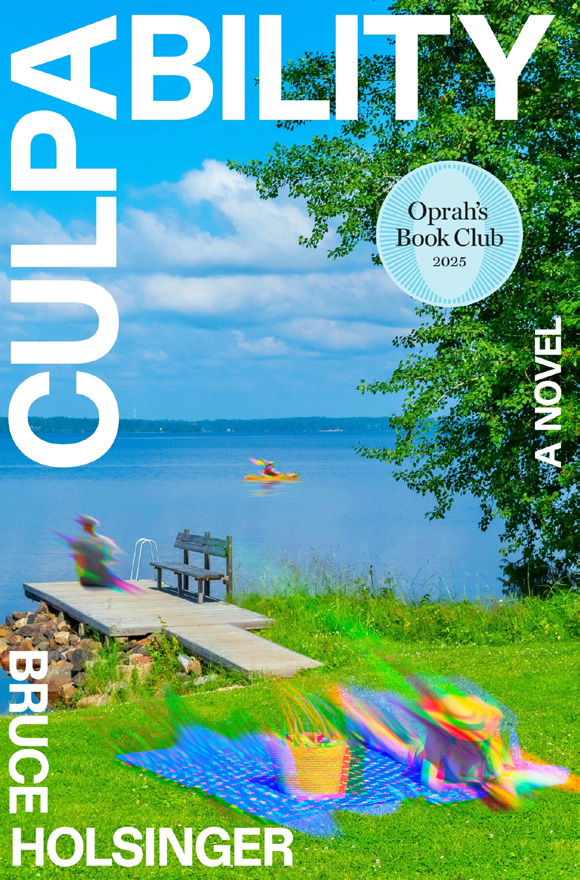
On a warm California evening this past Monday, May 11th, the Dabney Lounge at Caltech became an unlikely intersection of medieval scholarship, literary fiction, and cutting-edge artificial intelligence ethics. In a campus that feels so arid and scientifically focused, escaping for one hour in literature and fancy words was extremely beneficial!
The first thing you learn is how to say goodbye. Again. And again. And again — until the word frays at its edges like the hem of a coat worn through too many winters.
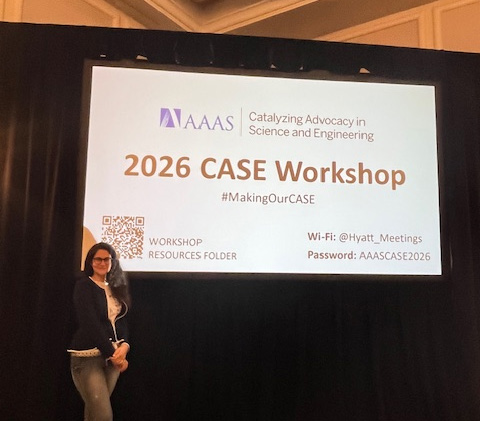
When I think back on my time in Washington, D.C., for the 2026 CASE Workshop, what returns to me first is not a talking point, or a statistic, or even a room. It is motion. It is the feeling of walking being surrounded by students from across the country who had come for the same reason: to understand how science survives in public life.
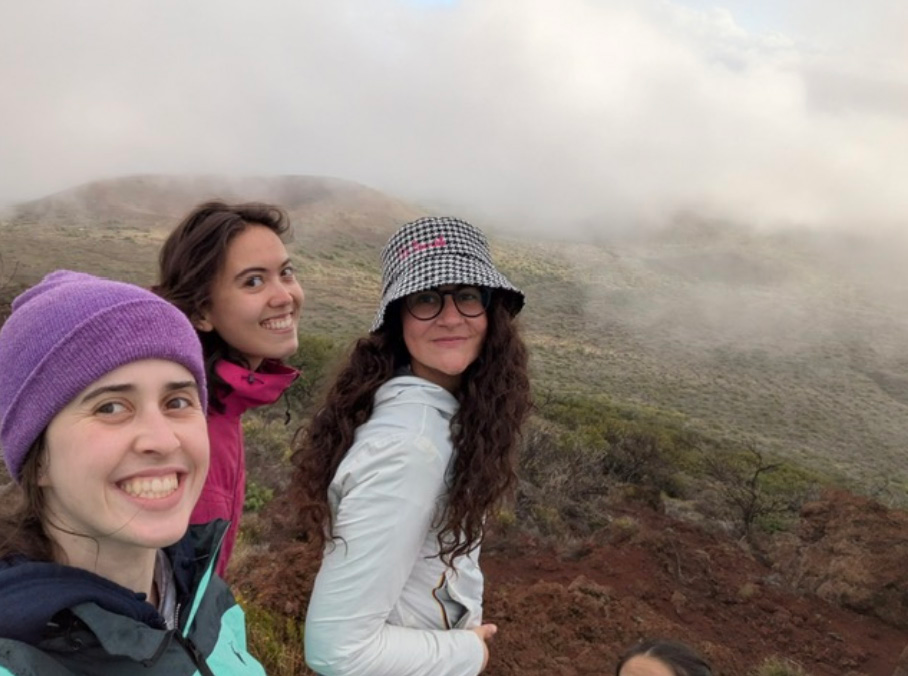
When I went to Hawai‘i with the Caltech Y, I thought I was signing up for a meaningful spring break experience, a chance to see beautiful places, learn something new, and meet people. What I did not expect was that Hawai‘i would touch a wound in me I had carried for years — one I had almost stopped trying to name.
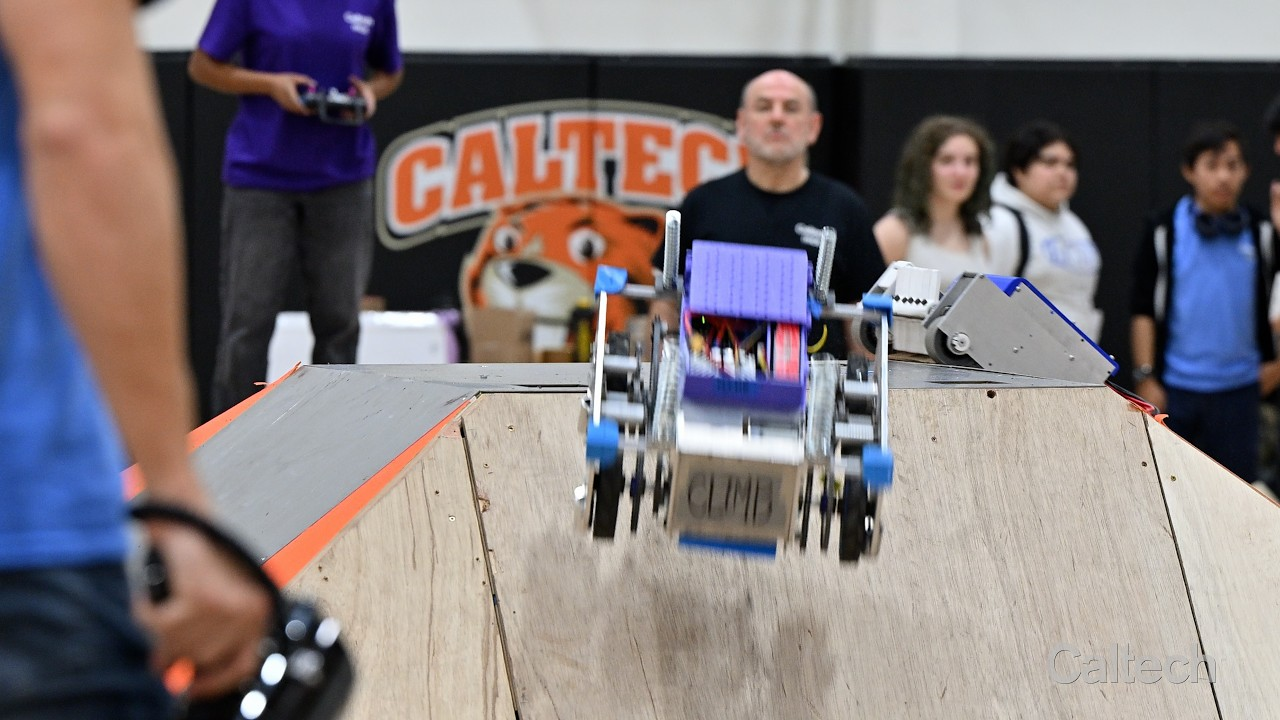
By the time the doors opened at Scott Brown Gym on March 10, the students of Caltech’s ME 72 capstone course had already spent months living inside the problem. For roughly 15 weeks, teams of mechanical and civil engineering undergraduates had designed, machined, wired, coded, tested, broken, repaired, and rebuilt robots for one public reckoning: the 41st Annual ME 72 Engineering Design Competition. When the machines finally rolled onto the floor, the question was no longer whether the ideas were clever. It was whether they would work under pressure.
Okay, so I’ve thrown a lot of philosophy at you. But here’s the thing: this isn’t meant to be intellectual trivia for impressing people at parties. The ancient Greeks called philosophy a “way of life” — not an academic subject, but a set of practices for living well.
When you see an event titled “Communicating The Climate Crisis,” you might expect another earnest lecture about melting ice caps accompanied by guilt-inducing polar bear photos. But Wändi Bruine de Bruin — Provost Professor of Public Policy, Psychology and Behavioral Science at USC — had a different message for the Student Activism Speaker Series crowd: You’re doing it wrong.