Ryan Ma
5 articles
What Do Waring Blenders, Toothpicks, and CRISPR Have In Common?
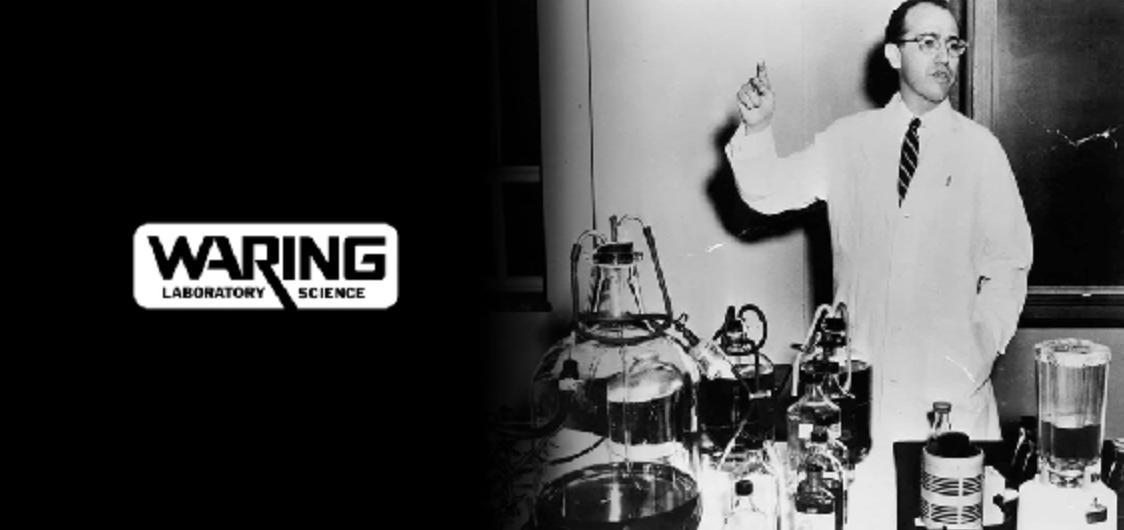
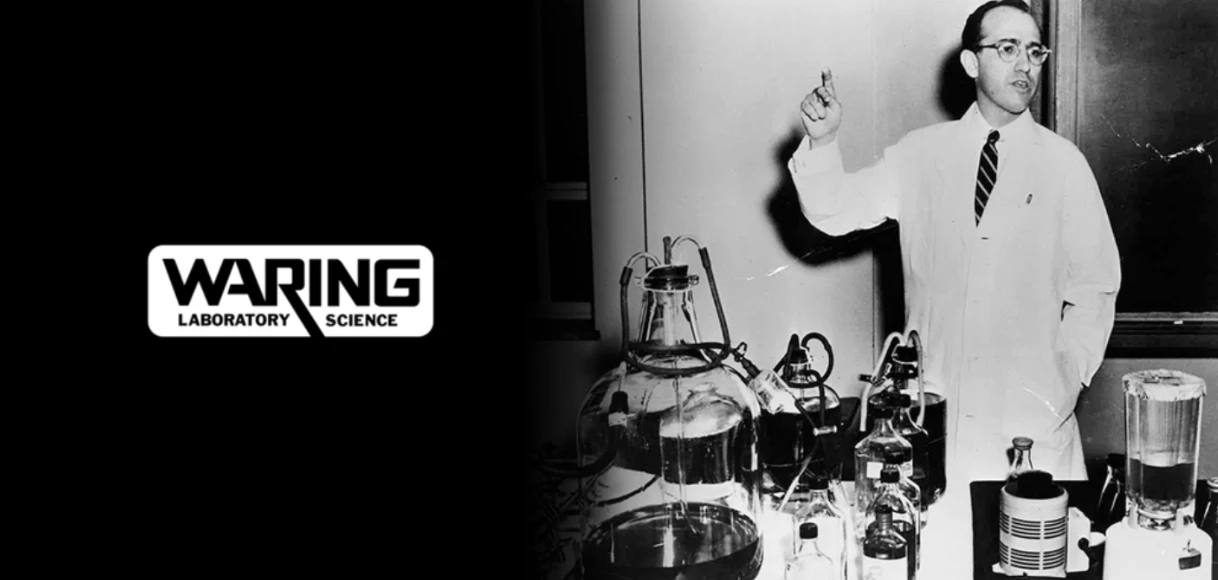
This was the question that Prof. Dianne Newman asked during the first lecture in Microbial Genetics. Initially, I was very confused about this question because they seem to be used in completely different scenarios. However, soon I started to see what she meant. Strikingly, each has served as a key tool in major scientific advances. Scientists often exploit everyday objects – or simple biological systems – to probe deep questions. Each of these examples highlights how far we can go with very litTools of Discovery
Tools of Discovery: From Blenders to CRISPR “What do a Waring blender, a wooden toothpick, and CRISPR have in common?” This was the question that Prof. Dianne Newman asked during the first lecture in Microbial Genetics. Initially, I was very confused about this quThe Usefulness of the Useless
In March 2021, a digital collage file by the artist Beeple sold for an astonishing $69 million at Christie’s auction. The buyer of this NFT (non-fungible token) didn’t receive a physical object or exclusive rights to the art – essentially, they paid for a certificate of ownership recorded on a blockchain. In practical terms, what they bought has no intrinsic use: it’s a JPEG image anyone can copy. As one tech reporter put it, NFT buyers are often “just buying bragging rights and an assRewriting Humanity: Why We Must Set Limits on Designing the Next Generation
In the not-so-distant past, the idea of designing one’s offspring belonged to science fiction. Genetic technologies were developed with noble aims – to cure diseases and prevent deadly inherited illnesses. Indeed, tools like in vitro fertilization (IVF) combined with preimplantation genetic diagnosis (PGD) have allowed parents at risk of transmitting serious disorders (such as cystic fibrosis or Huntington’s disease) to have healthy children. These advances were initially about disease preventGut Feelings: How Microbes Might Be Shaping the Mind—and More
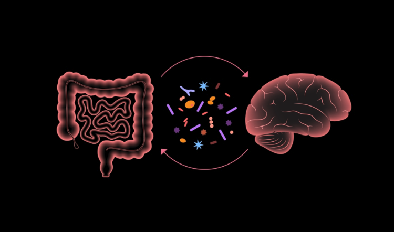
One afternoon, a father gave his young son an antibiotic for a routine throat infection—and watched in astonishment as the boy’s autism symptoms seemed to ease. The child grew more social and engaged, almost as if a fog lifted. This wasn’t a miracle cure or a coincidence, scientists now believe. Instead, it may have been an unintended tweak to the gut microbiome–the trillions of microbes living in our digestive tract. Once seen as passive passengers, these gut microbes are emerging as quiet cond