Categories

Feature

5 articles

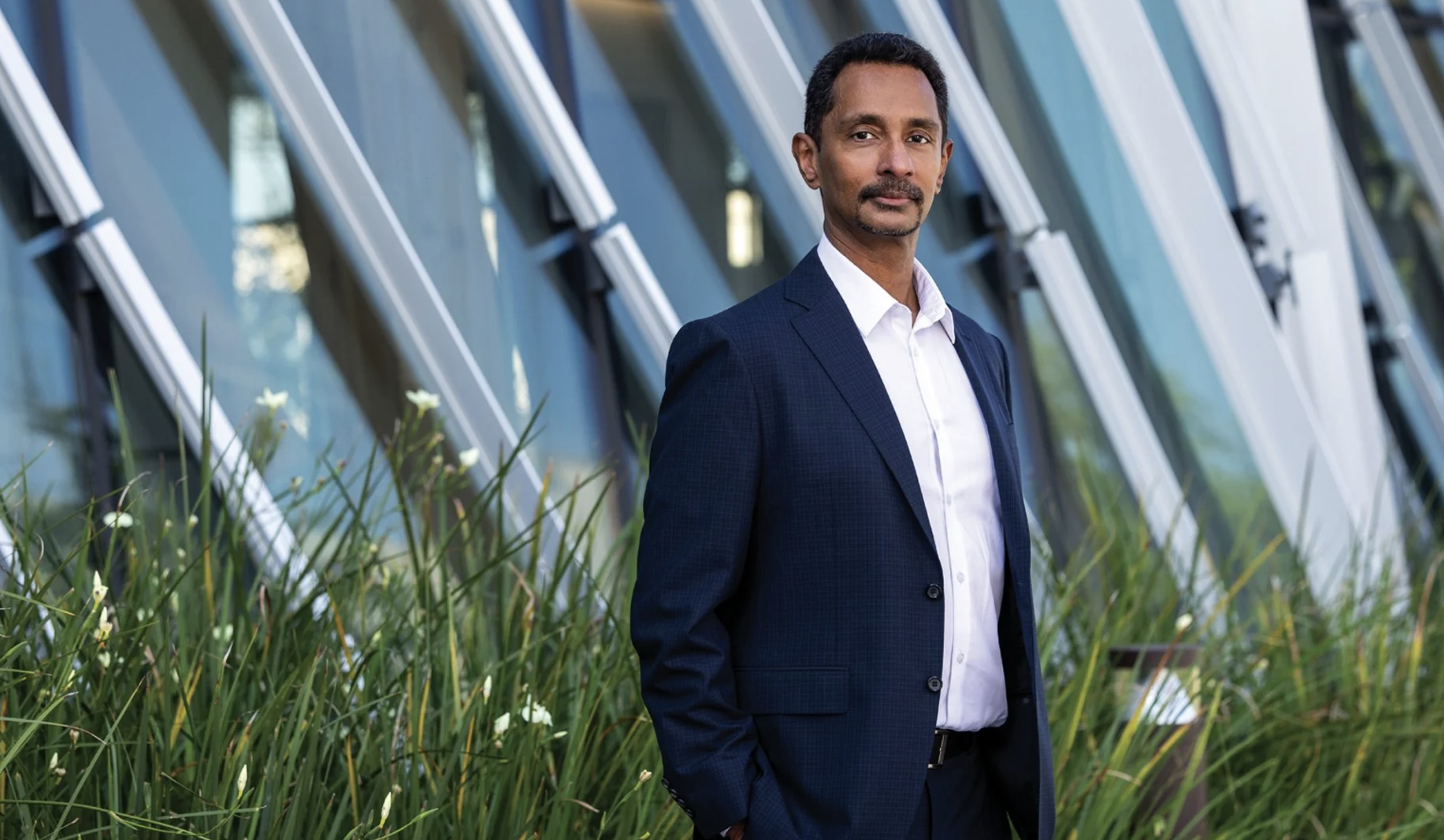
Astrophysicist and author Ray Jayawardhana became Caltech’s tenth president on July 1. He previously served as provost at Johns Hopkins University and dean of Cornell University’s College of Arts and Sciences, and earlier spent a decade at the University of Toronto. Alongside his academic leadership, he studies the origins and evolution of planetary systems and writes about science for the public. On October 5, Jayawardhana spoke with the Tech about settling into the role and his emerging priorities for research, student life, and Caltech’s impact beyond campus.

(continued)

California needs more homes than it is building. In 2022, the Statewide Housing Plan from the Department of Housing and Community Development called for 2.5 million homes to be built by 2030 in order to address the housing shortage. For the past three years, an average of 104,085 homes per year were authorized by building permits in the state, one-third of the 312,500 annual pace implied by the target. At Nova Cottage Co. in Pasadena, CEO Caroline

(continued)

The Library in My Head Was Always Open: A Caltech Student on the Invisible Disabilities We Carry The Body That Betrayed Me, the Mind That Wouldn’t Stop There is a specific kind of silence that lives inside high-achieving students. It is not the silence of a quiet library or a sleeping dorm room. It is the silence of a mind that has been running for so long, so loudly, that the noise has become i

(continued)

On a Saturday afternoon this spring, part of Caltech’s inaugural Integrated Core cohort found itself somewhere few first-year lab sections go: wandering the aisles of Home Depot. They were looking for tubing, buckets, connectors, and whatever else might help them build small-scale carbon capture systems from scratch. One group was growing algae. Another was working with limestone. A third was thinkin

(continued)

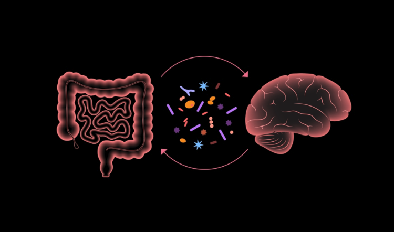
One afternoon, a father gave his young son an antibiotic for a routine throat infection—and watched in astonishment as the boy’s autism symptoms seemed to ease. The child grew more social and engaged, almost as if a fog lifted. This wasn’t a miracle cure or a coincidence, scientists now believe. Instead, it may have been an unintended tweak to the gut microbiome–the trillions of microbes living in our digestive tract. Once seen as passive passengers, these gut microbes are emerging as quiet cond

(continued)