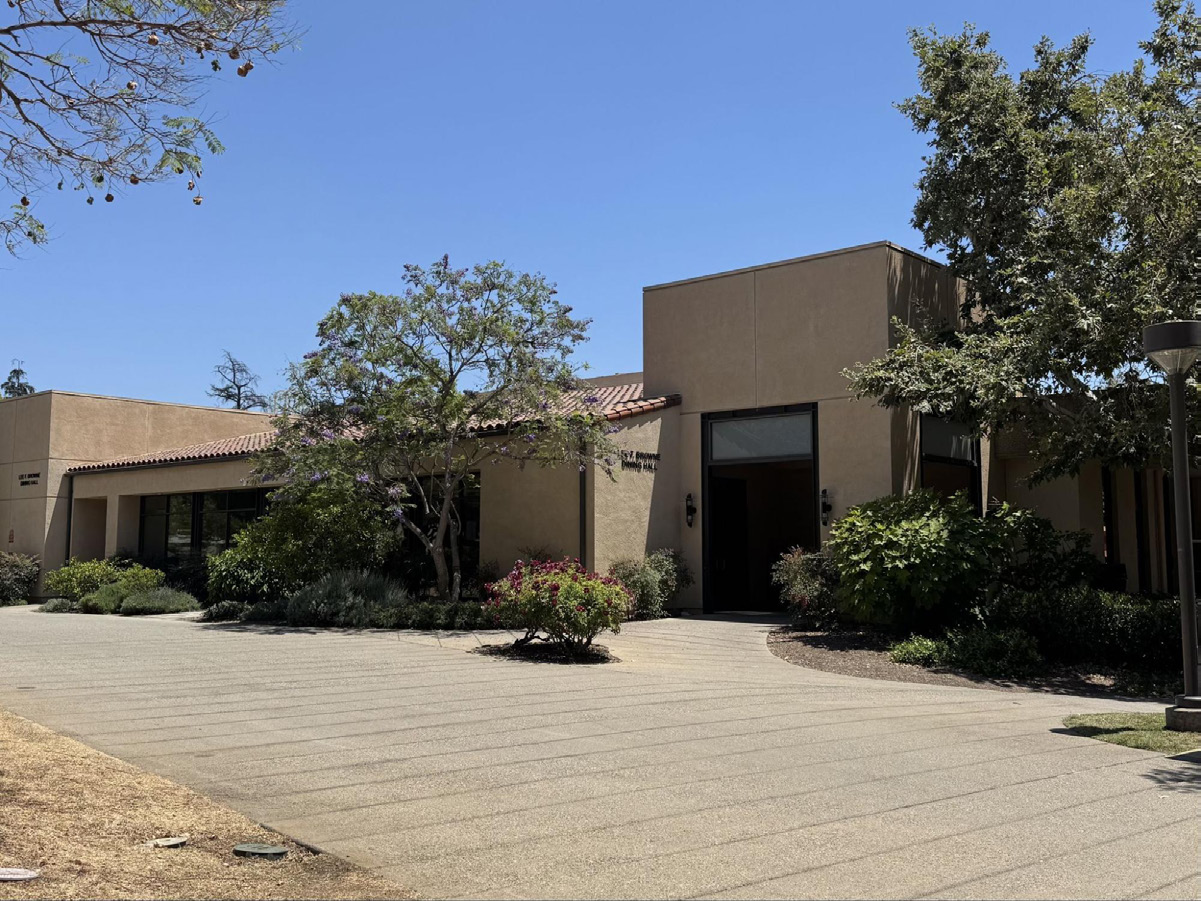
On May 19, an anonymous Reddit user posted in r/Caltech, a Reddit forum for Caltech-related posts, alleging food safety, sanitation, and workplace issues at Browne Dining Hall. The post appeared under the username “No-Environment-3923” and was titled “PSA from a former cook: Be very careful eating at Caltech Dining Halls (Browne).” The Tech messaged the user through Reddit, who accepted the message request but did not reply before the account was deleted.
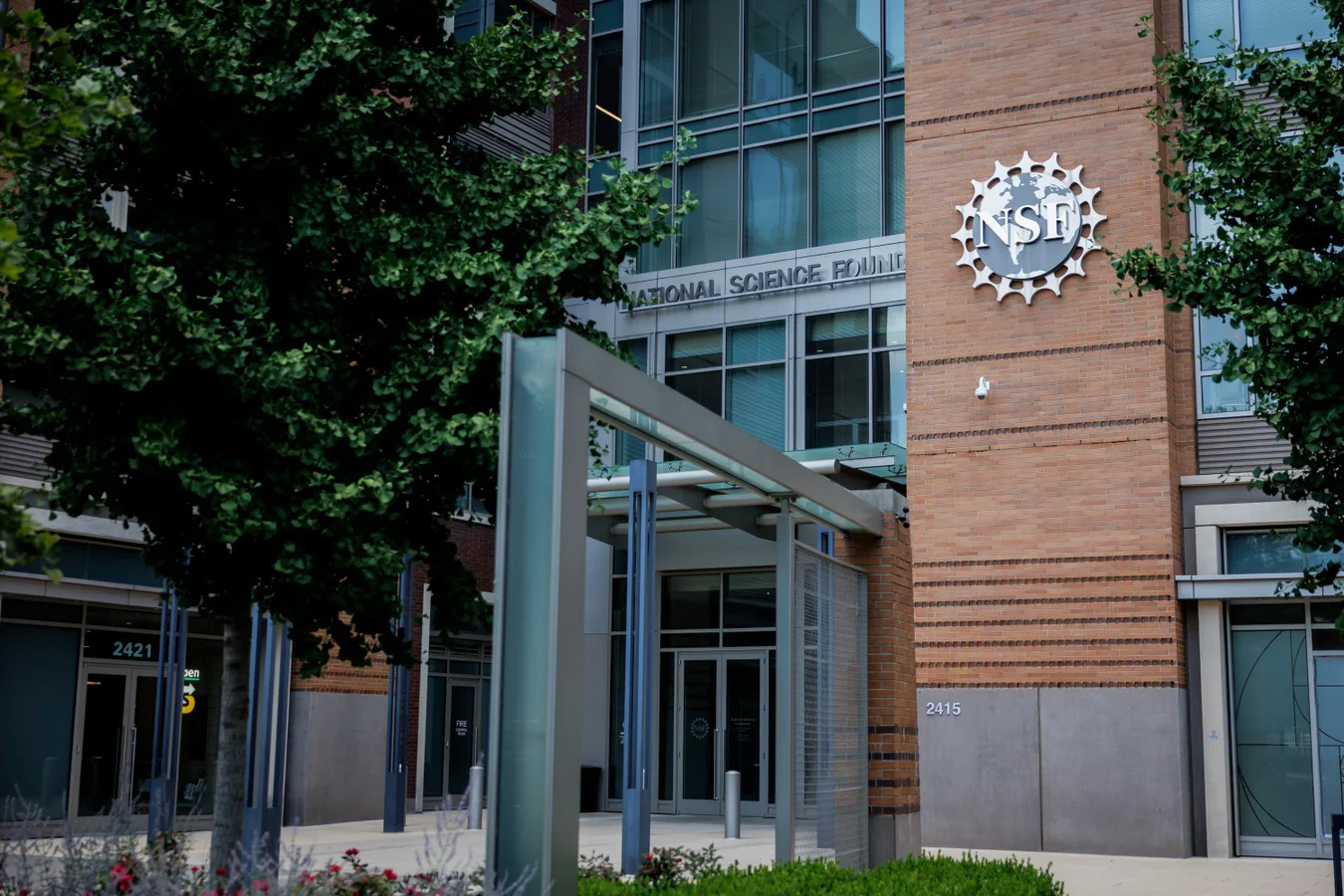
All 22 members of the National Science Board (NSB), which oversees the National Science Foundation (NSF), were removed on April 24 without explanation. Members were notified by email that their positions were “terminated, effective immediately.” They included Aaron Dominguez (BS ’92), the board’s vice chair and provost of the Catholic University of America, and board member Matthew Malkan (PhD ’83), a UCLA professor.
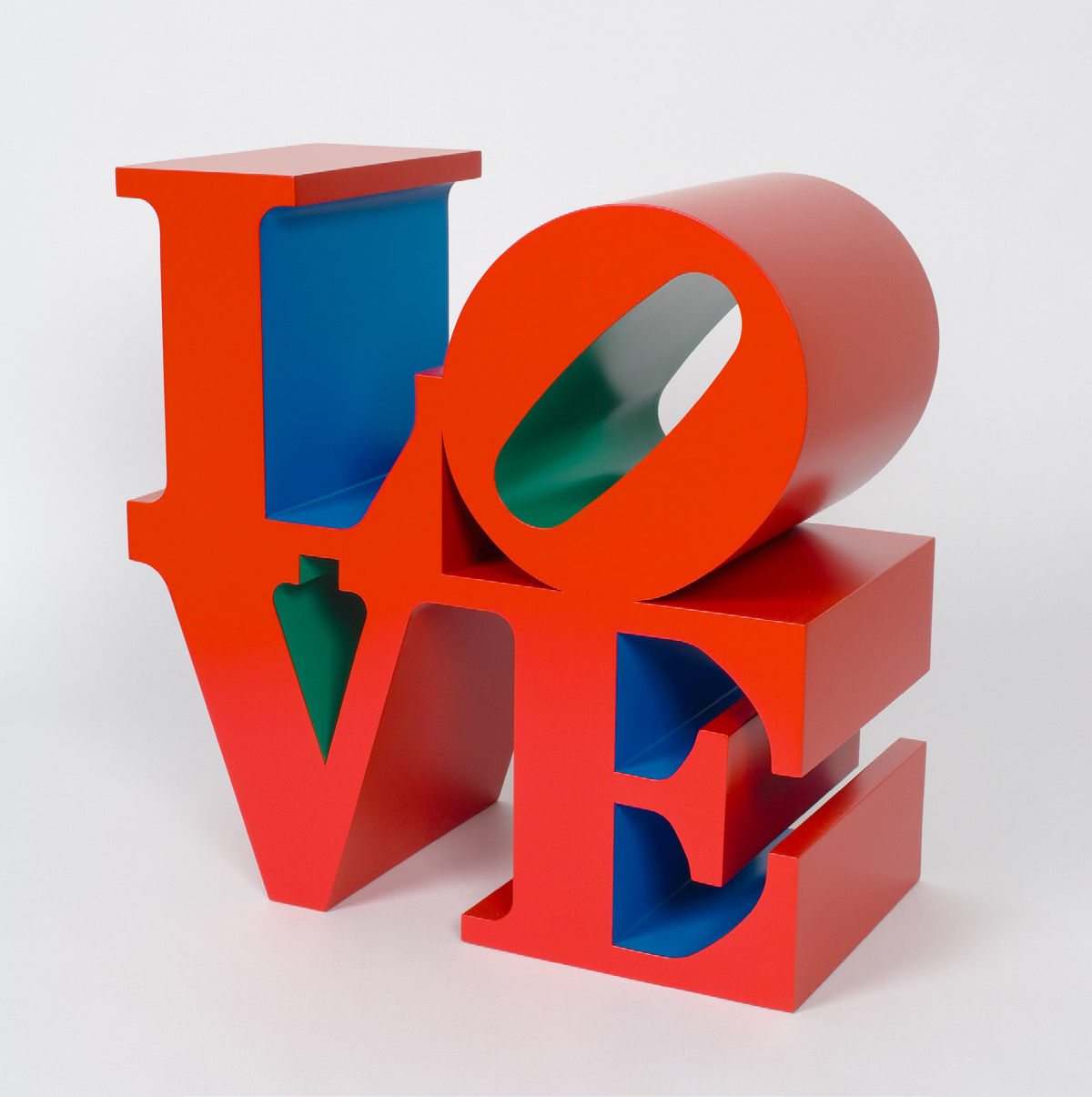
Robert Indiana’s LOVE, one of the most recognizable works of 20th-century American art, is set to be part of The Huntington’s permanent collection later this year. Originally created as a drawing in 1964, LOVE turned the everyday word into an iconic symbol.
On Friday, April 17, Caltech held the Student Life and Experience Conference (SLEC) in the Hameetman Multipurpose Room, bringing together students, staff, and faculty to discuss undergraduate life. Several committees presented findings and recommendations based on responses from the SLEC survey sent out in January.
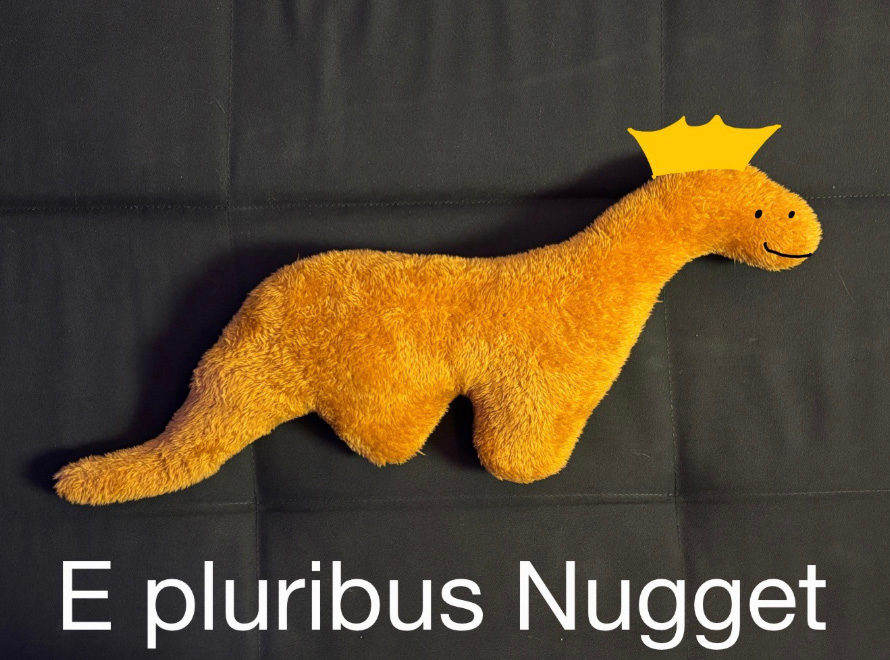
A constitutional crisis unfolded last week in Lloyd after residents of Purple and Kaos alleys announced their intention to secede and establish an independent state, the “Republic of Nugget.” The declaration came on March 31, when former President Isabella announced on behalf of the Purple and Kaos alleys that, “in the absence of our fearless leader” (current President Shan is off-campus this term), they had “elected to secede from Lloyd House in order to form our own independent state, the Republic of Nugget.”
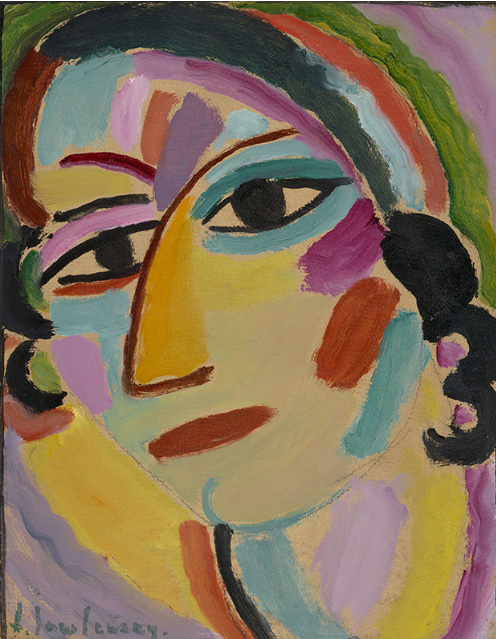
In 1915, Emilie Esther Scheyer came across The Hunchback (1911) by artist Alexei Jawlensky in Lausanne, Switzerland. The painting was so impactful that she was determined to meet Jawlensky, setting the course for her life and career, as well as the development of modern art in California.
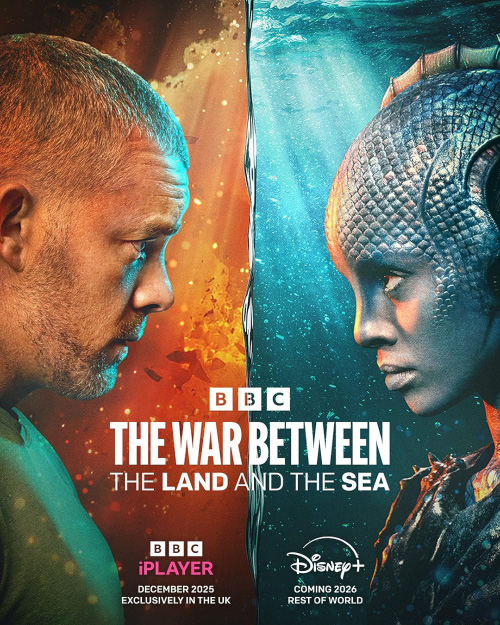
What would happen if all the trash humans have dumped into the ocean rained back onto land? The War Between the Land and the Sea considers what would happen if an underwater species suddenly revealed itself, fed up with the damage humans have inflicted on them through pollution and other actions at sea.
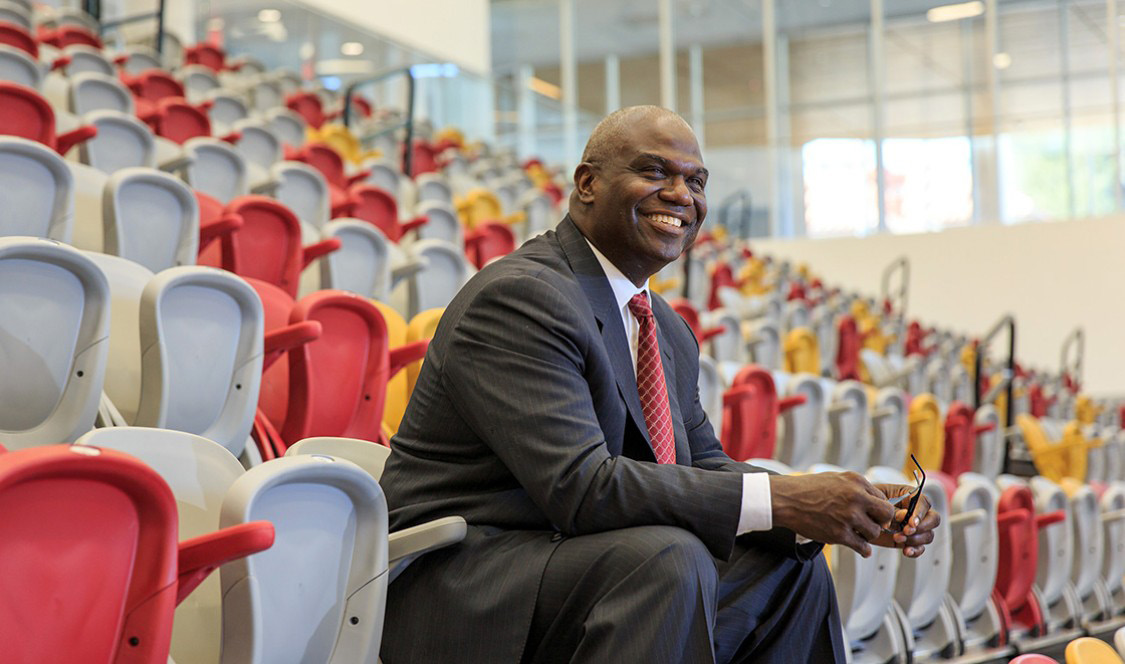
From the gridiron to the front office, Terrance “Terry” Tumey’s career spans roles as a college football player and coach, an athletic director in Division I, II, and III institutions, and an executive at the San Francisco 49ers. He earned a B.A. in political science from UCLA, where he played and later coached football, and completed his MBA at UCLA’s Anderson School of Management. Last month, Tumey joined Caltech as the director of Athletics, Recreation and Instruction (ARI).
Gold has captivated humanity for millennia. In 1848, the discovery of gold at Sutter’s Mill in the Sierra Nevada foothills initiated one of the largest migrations in U.S. history and left a lasting impact on the environment.
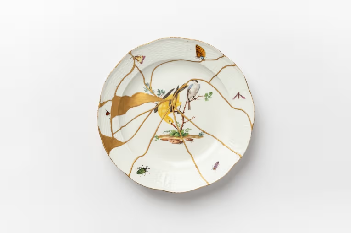
How can clay from the Appalachian Mountains, Kilkenny stone from Ireland, and porcelain made in the Song Dynasty come together cohesively? In “the eight directions of the wind” at The Huntington, lauded author and artist Edmund de Waal explores how art made from these materials, among many pieces of porcelain and poetry, connects histories across borders and through time.