At first glance, Dr. Loraine Lundquist might strike you as a scientist with her head in the stars. After all, she holds a Ph.D. in physics from UC Berkeley and once helped launch a satellite to study the Sun’s magnetic field. But spend an hour with her, and that’s precisely what we did during the recent SASS Lunch hosted by the Caltech Y—and you’ll quickly realize that her gaze is firmly grounded on Earth, with a heart set on building a more just and sustainable future right here in Los Angeles.
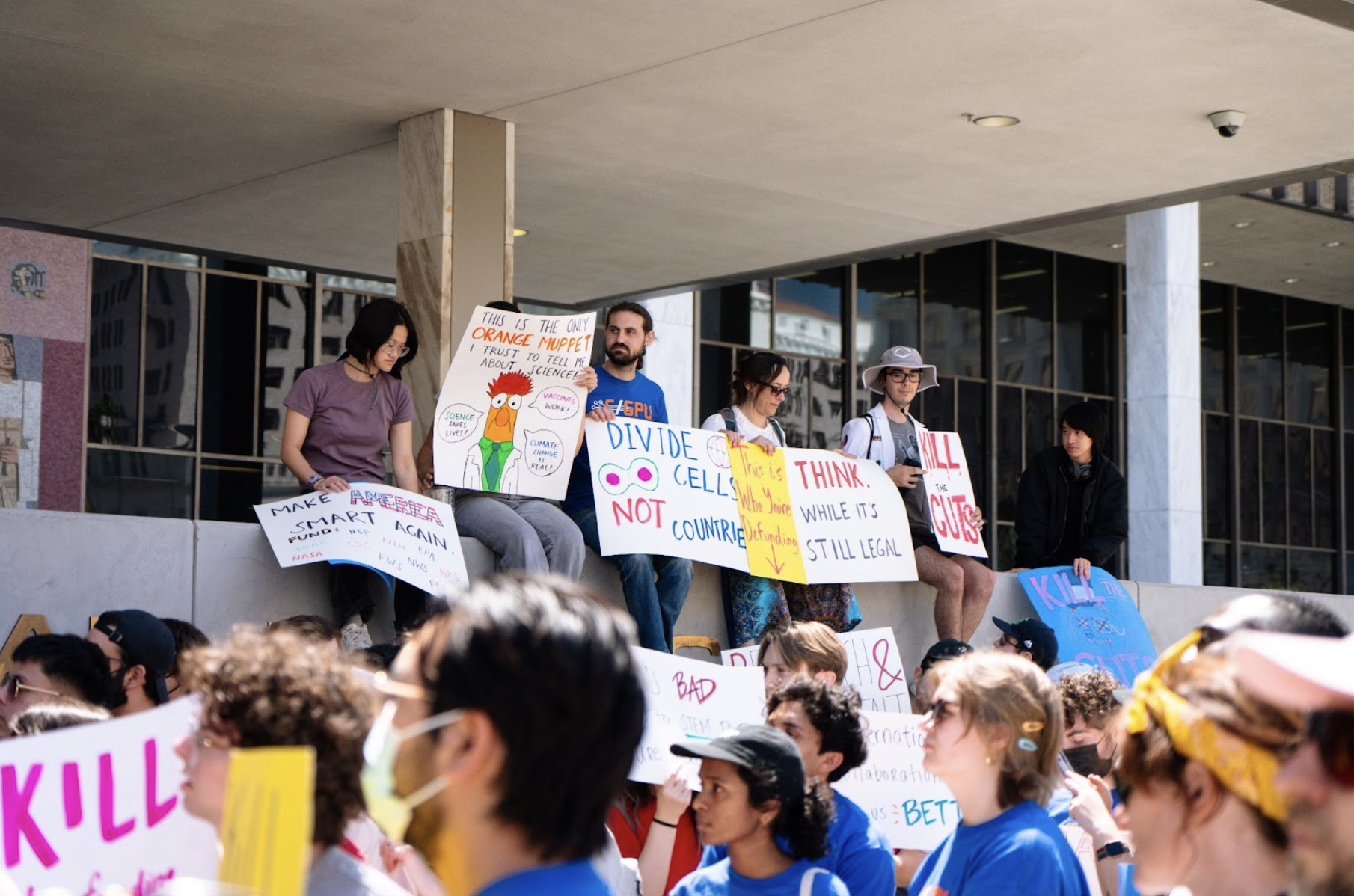
On April 8, members of the Caltech community joined forces with union members from USC for the Kill the Cuts rally in Downtown Los Angeles—part of a National Day of Action opposing proposed federal cuts to scientific research funding. From undergraduate students to postdocs, organizers, and union representatives, our presence at the protest was unified, urgent, and unrelenting.
At Caltech, student-athletes aren’t just competing—they are redefining what it means to balance intensity in both sports and academics. They exhibit not only commitment but a certain kind of mental toughness and passionate energy to their teams and to the Caltech community. Here’s the latest from Caltech Athletics, highlighting the records, rivalries, and relentless drive that define our teams. With the spring quarter underway, our Caltech athletics have achieved like never before. Let’s dive into the many accomplishments the spring sport beavers have to show off this year.
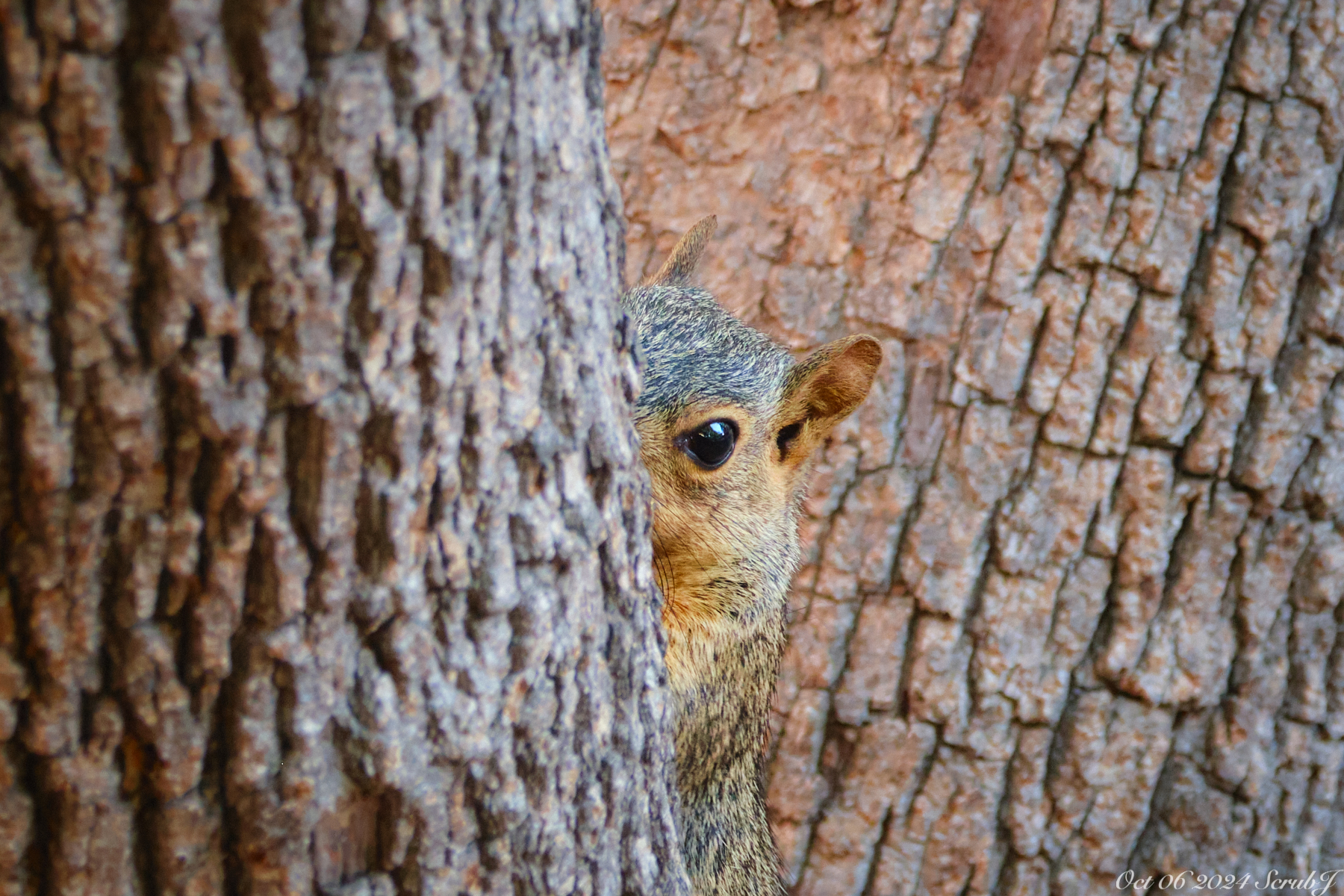
Among the mammals of Caltech, they’re arguably the happiest and freest. While Homo sapiens are burdened with homework and deadlines, and coyotes stick to moonlit hours to avoid the crowd, the fox squirrels roam wherever their paws take them. Stroll across campus and you’re guaranteed to spot one: foraging randomly in the grass (no, they don’t remember where they bury their nuts), lounging on a branch, or chasing a friend in spirals around tree trunks, like a dazzling ribbon in the hand of a gymnast. Even if you don’t see one, just look up: the treetops are decorated with their nests, ready for year-round breeding.
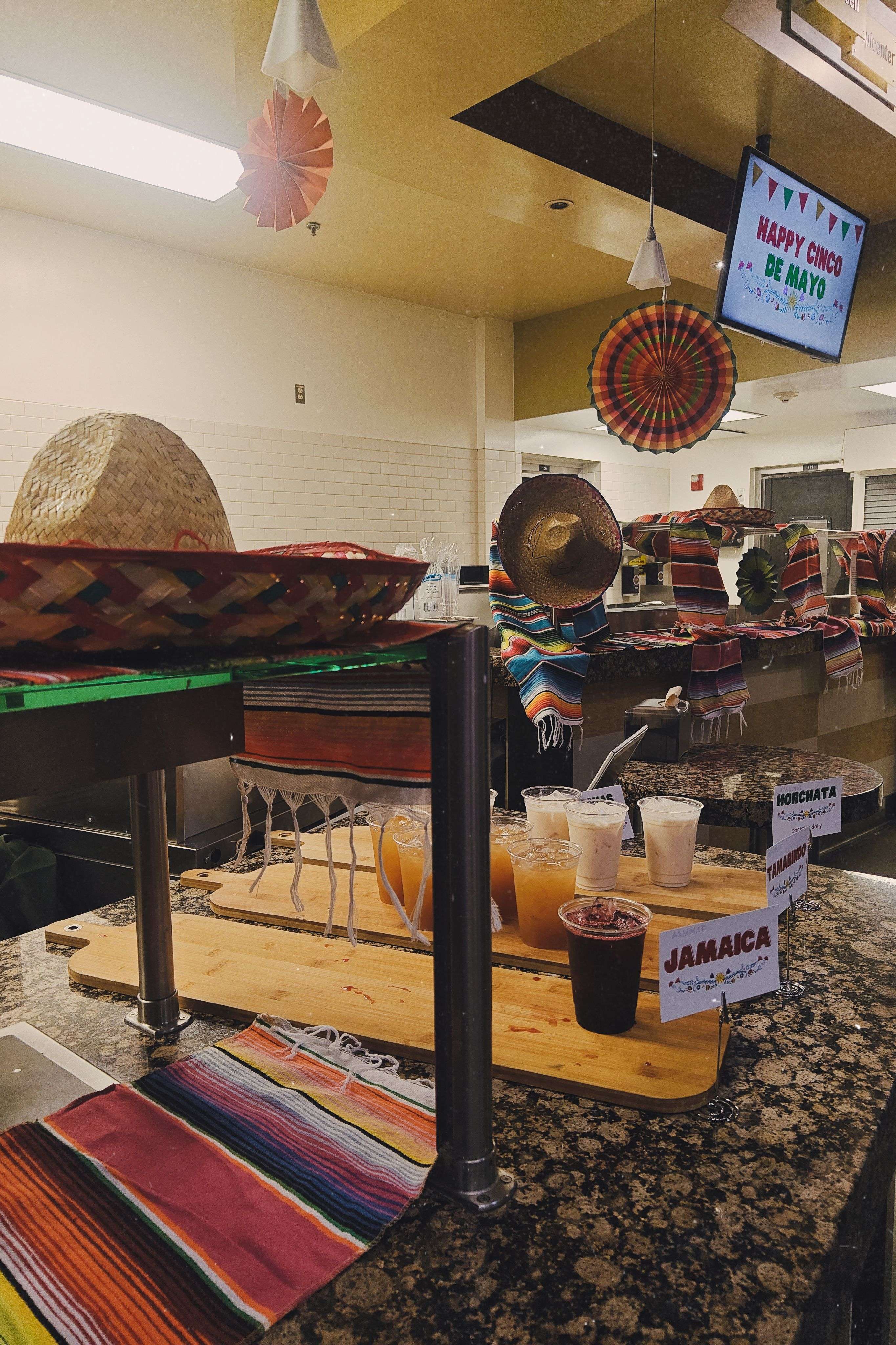
Last Monday, in celebration of Cinco de Mayo, a special dinner in Browne Dining Hall was held from 5-7:30 p.m. The event was a collaboration between Caltech Dining Services and the Caltech Wellness Center.
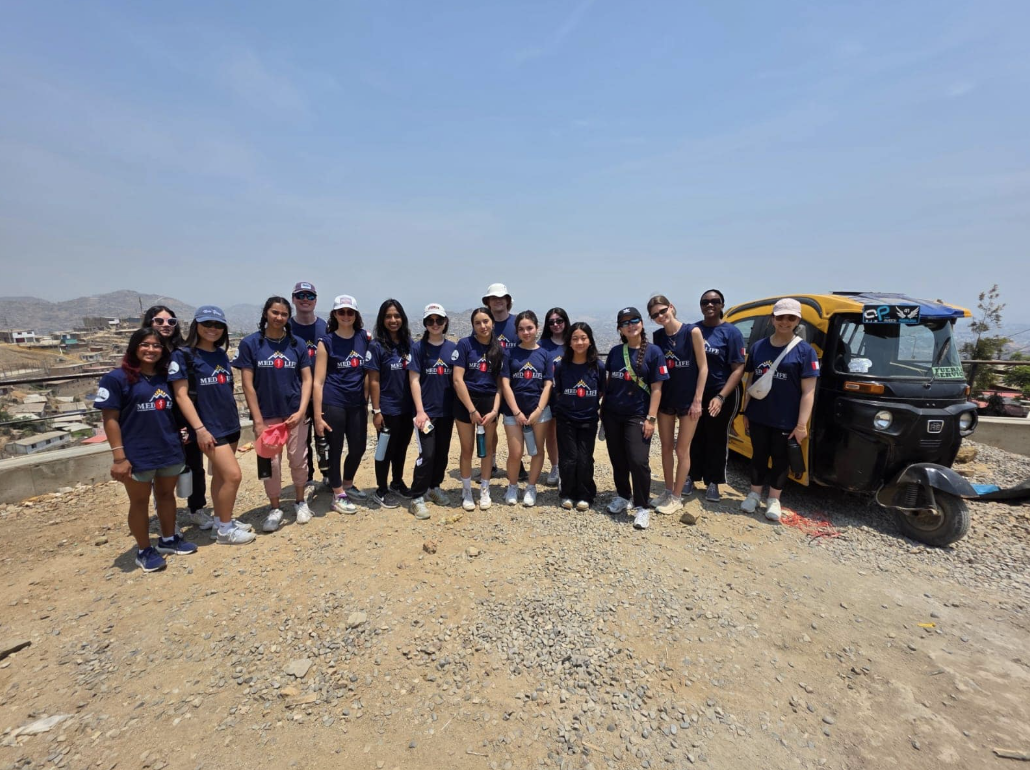
Hello everyone, my name is Camilla Fezzi, and you probably know me, always running around, without any free time, and I am kind of recognizable because of my Italian (fashion style) 😜. I’m a freshman at Caltech, with the goal of double majoring in biology and chemistry and dreaming, one day, of becoming a doctor and researcher in the oncology/neuroscience field. But before I am any of those things, I am Italian—a daughter, a sister, a friend. I grew up beneath the Verona sun, in a place where the dinner table is sacred and where family is the compass that guides everything. I have always known warmth—of home-cooked meals, of laughter echoing through ancient streets, of a mother’s arms around my shoulders. I know what it is to feel safe, to take fresh water and a doctor’s appointment for granted.
On April 12th, as part of Make-A-Difference (MAD) Day with the Caltech Y, seven other Caltech community members and I joined Lila Rodriguez-Aceves at the Chief Ya’anna Regenerative Learning Village—12 acres of unceded land in El Sereno, about 20 minutes from campus, where we helped tend the land. The Ya’anna Village is the first parcel of land returned to the Gabrielino Shoshone Nation, one of the original Indigenous peoples of Los Angeles. It is stewarded in partnership with Anawakalmekak, the first and only Indigenous public K-12 school in California.
According to the lawsuit, a reduction in the NSF indirect cost rate to 15% would result in an “annual loss of approximately $14.8 million to Caltech’s planned research budget.” An awarded grant consists of direct costs, which fund the research itself, and indirect costs, an added percentage that covers overhead such as infrastructure and administration. Caltech currently has 210 active awards and subawards from NSF. In Fiscal Year 2024, the Institute spent over $93 million on NSF-supported research, including nearly $22 million in indirect costs.
The proposed 47% single-year cut to NASA’s science budget eviscerates our nation’s leadership in space science: ending missions already in space, halting those in build, and defunding telescopes and instruments of the future.