With the historic heat wave temporarily subsiding, our Caltech campus settles into a new academic year. As the Tech’s resident wildlife columnist, I’m here to extend a warm welcome to everyone new to Caltech — though after this summer, “warm” may not be the compliment it once was.
Like many urban areas around the world, Caltech is an ecosystem where humans and other animals coexist. The campus is small, but a one-hour walk around it can easily turn up thirty wildlife species. In this guide I highlight a few notables. Some may even work as conversation openers at the socials; if you run out of lines, you can always ask, with no euphemism intended: “Have you seen a squirrel at Caltech?”
The fox squirrels know how to handle the heat. In the morning, long before students head to class, they are already up and sniffing the ground with great focus, alongside the equally diligent gardeners working the same lawns. A passerby barely startles them — they are thoroughly used to us. Fox squirrels live three to ten years in the wild, so a few of them may accompany our most enduring PhD students through the entire degree.
The resident turtles are just as unbothered by the start of term, swimming over to greet newcomers who stop by the Throop Memorial Garden ponds. These turtles — mostly red-eared sliders — are likely released pets, but their meditative presence has made them icons of campus life. They even have a dedicated fan circle: the Caltech Turtle Club, whose members collected hundreds of signatures arguing that a turtle would make a more fitting mascot than the beaver.
Our campus is also a steady habitat for local and exotic birds alike. Allen’s hummingbirds, with their coppery gorgets and buzzing wings, work the blossoms for nectar year-round. Landscape trees such as floss silk and eucalyptus feed more exotic visitors, including the endangered red-crowned amazon. Pretty green birds like these — a category that also includes the Indian peafowl — are unfortunately not sweet-sounding vocalists. Listen for the cacophony at dawn and dusk: that is how they announce their membership in the greater Pasadena bird community.
As a birder, what excites me most this year is the increase of Western Bluebirds on campus. For the past few years we have had only a couple of them, under constant pressure for nest sites from introduced species. So this year’s successful brood truly deserves celebration — and believe it or not, they hatched in the middle of the noisy dining area near Red Door Cafe. While you eat lunch, look up for these bright blue fairies snatching a meal midair.
Want more nerdy wildlife columns? Follow the links in this article to past Tech columns on the subject. You can also scan the QR code below to visit Caltech’s official wildlife page, where more of my photos live.
All photos by Jieyu Zheng.

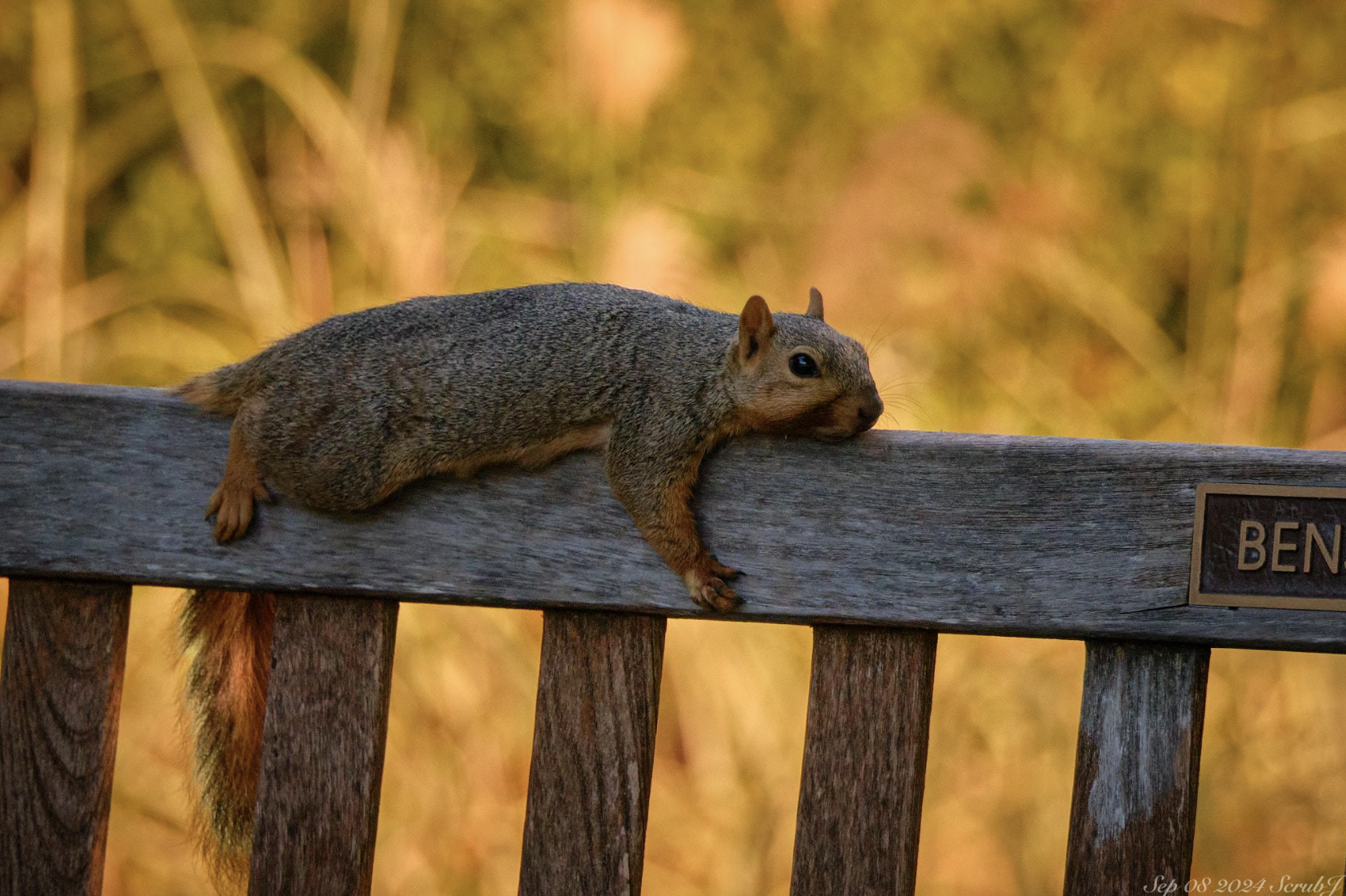
Eastern fox squirrel lying on its stomach under the heat. With little pressure for survival, the Caltech squirrels often reduce to this relaxed posture.
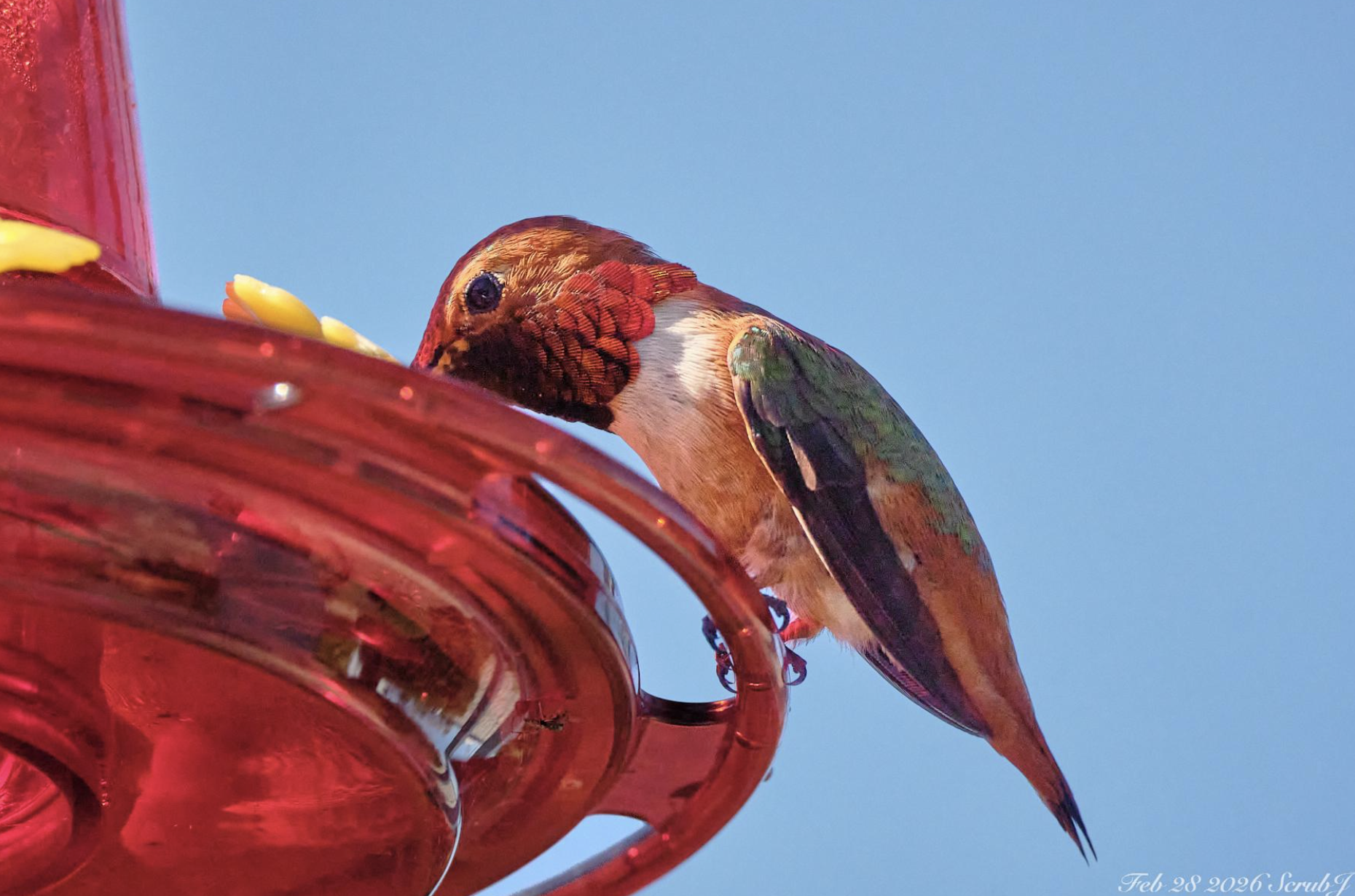
Allen’s hummingbirds are facing some trouble elsewhere, but still thriving in California. Setting up a nectar feeder is the easiest way to make a hummer friend.
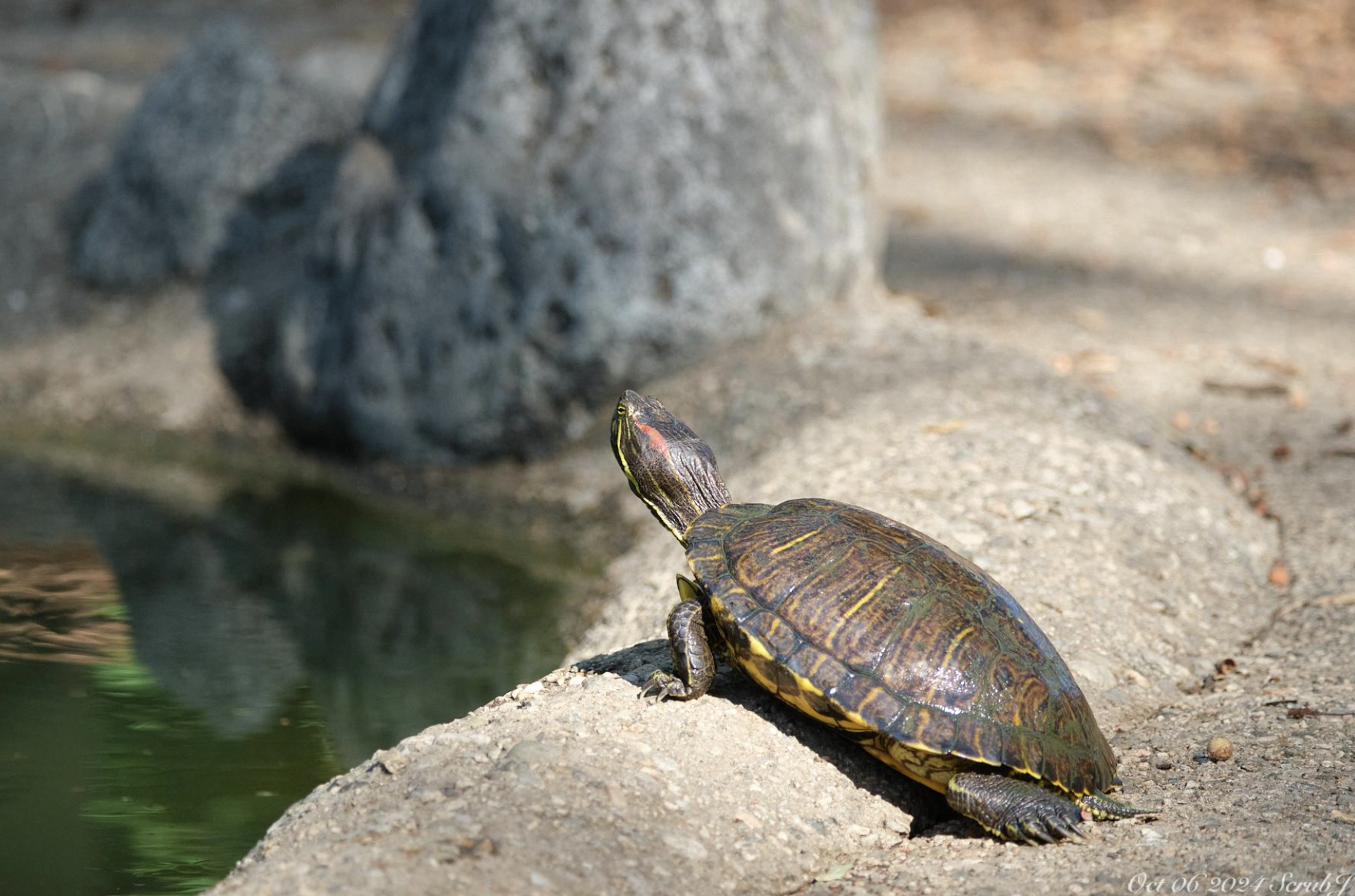
The most common turtle species in the Throop Memorial Garden is the red-eared slider. They love sun basking on the rim of ponds.
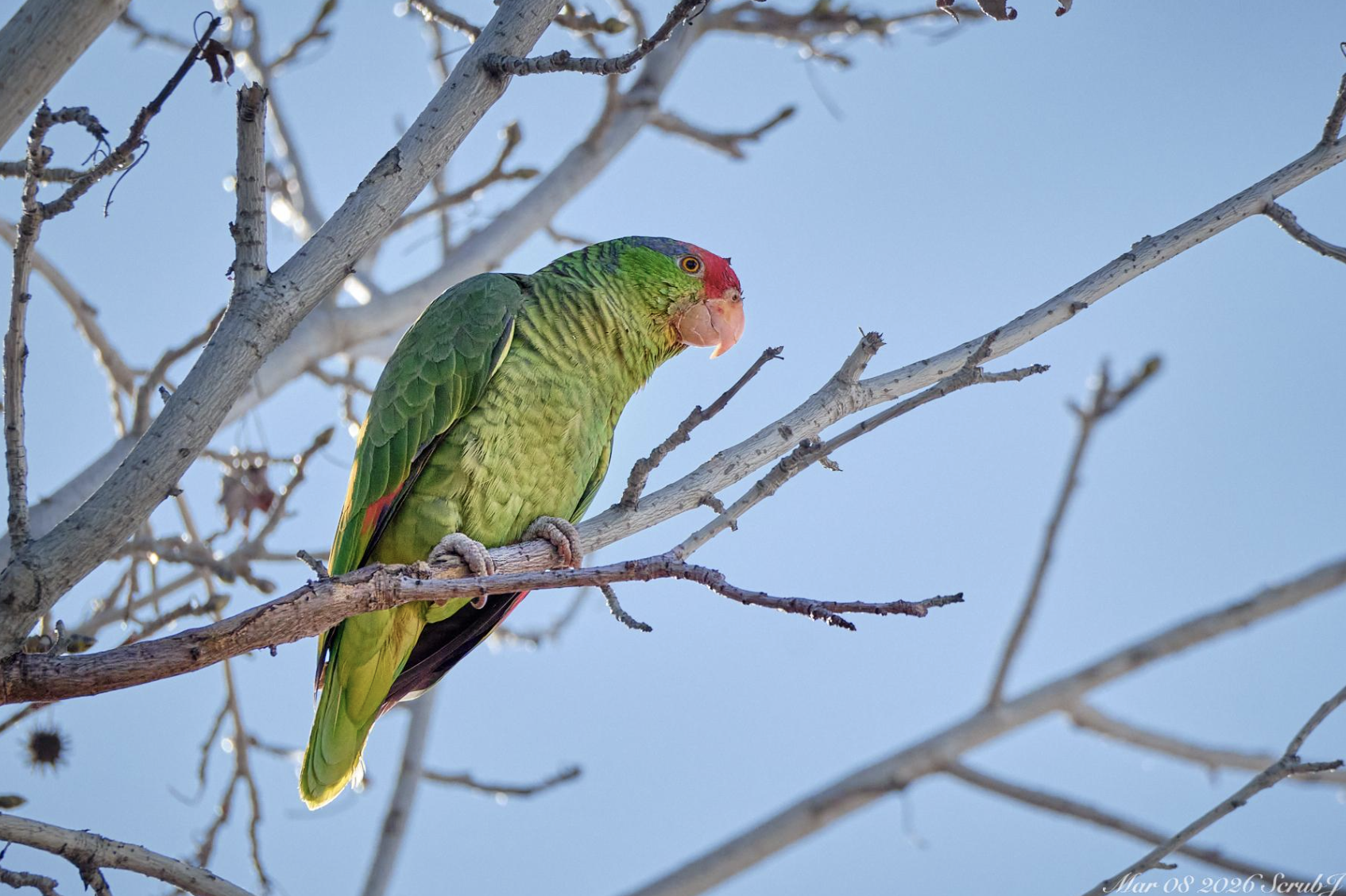
Exotic but local: many parrot species from Central and South America establish their colonies after escaping pet shops and their rich former owners’ homes.
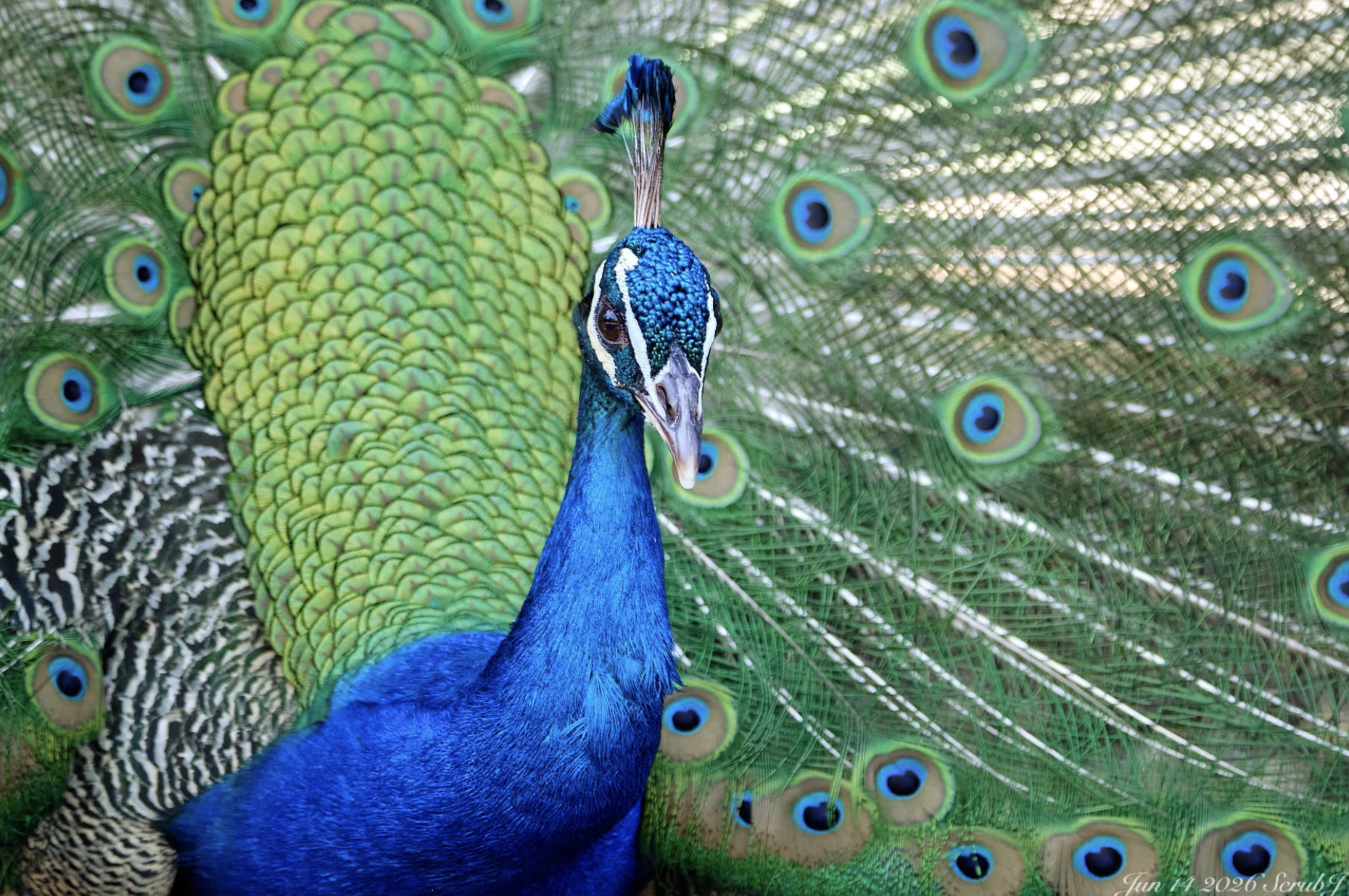
Exotic but local: since Lucky Baldwin brought these Indian peafowl as pets to his mansion, these beautiful relatives of chicken have been roaming around Pasadena and Arcadia, including our Caltech campus.
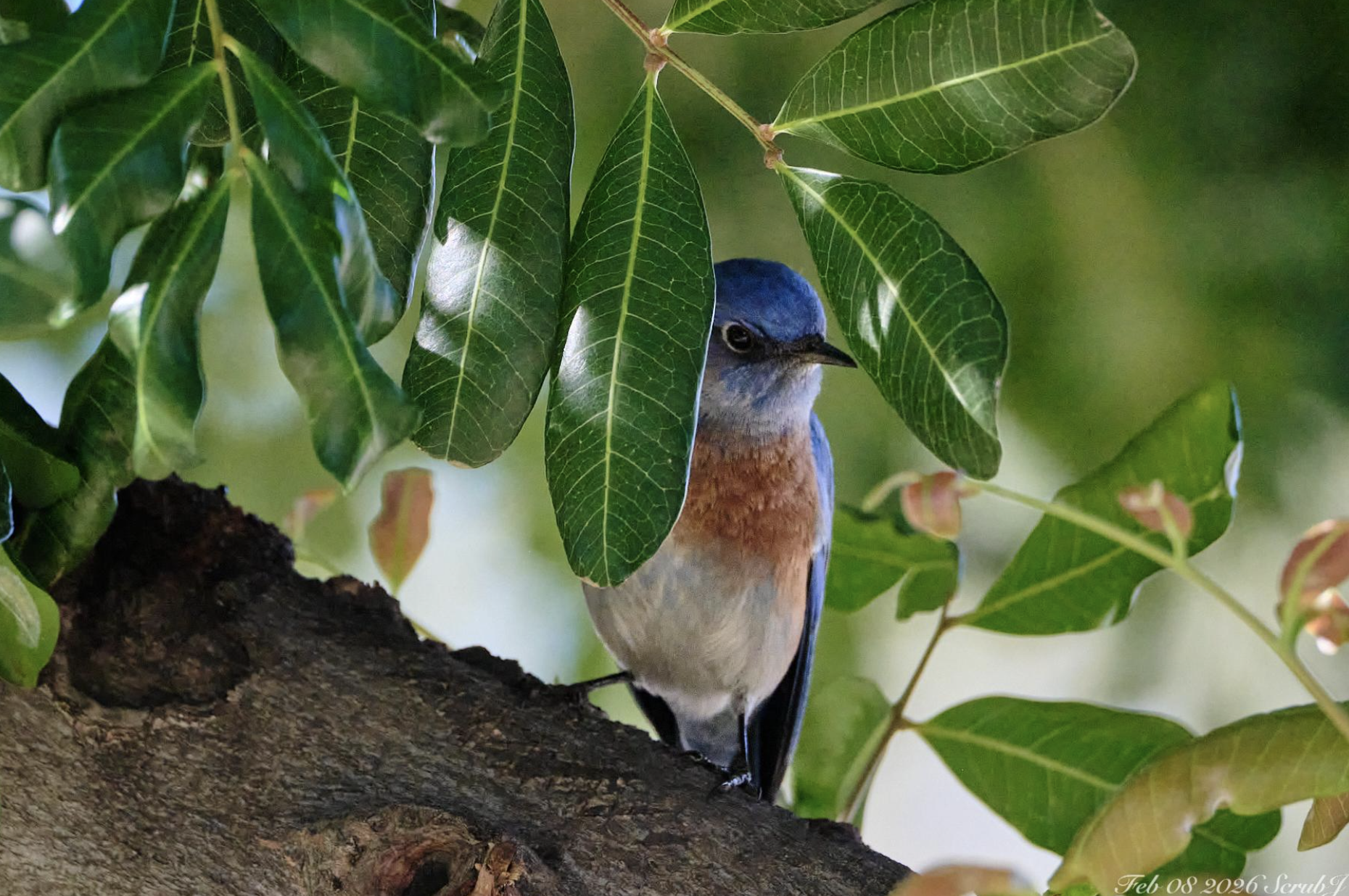
More western bluebirds appeared on campus this year after fledging from the maple tree outside Browne Dining Hall. This photo features an adult male.