May 27, 2026, marked my fifth anniversary of my arrival at Caltech, when I was freshly off the boat – or rather, off the plane. Here in Southern California, the weather seems almost unchanged from one day to the next, and the lack of dramatic seasonal shifts can create the illusion that time is stagnant (unless you are a birder paying close attention to migrants). But as we approach this year’s commencement, I cannot help but reflect on how quickly time has passed.
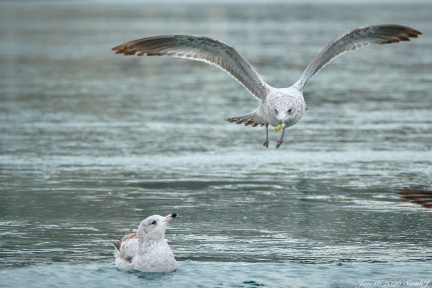
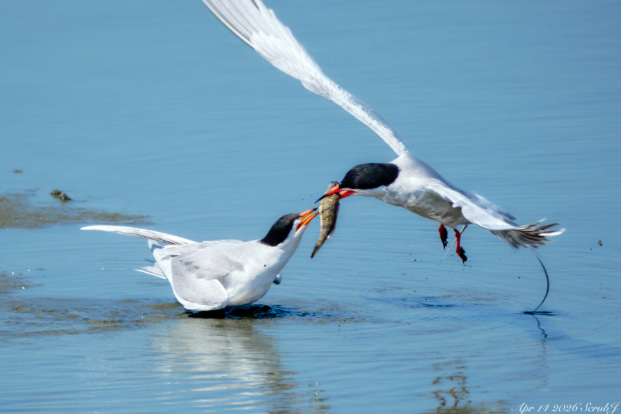
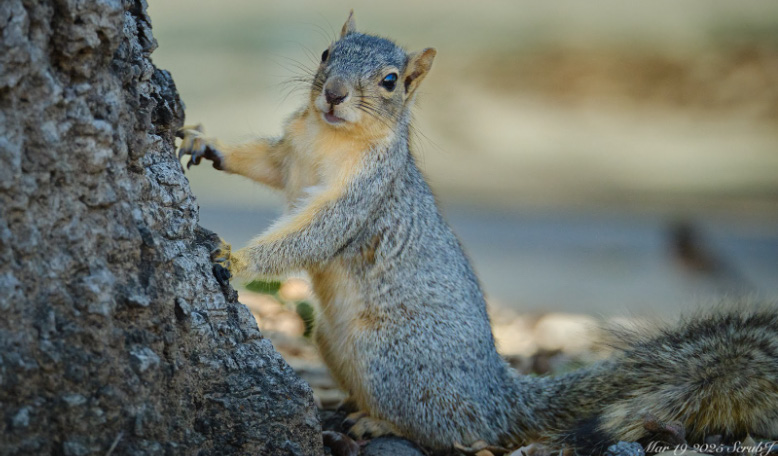
As Mother’s Day has just passed and Father’s Day is coming up, this issue will talk about parenting in the nonhuman animal world. While all but one photo was taken off campus, a lot of the animals (mostly birds as I am a bird expert) mentioned in this article can be found in the adjacent Pasadena area, so keep your eyes out for spring activity!
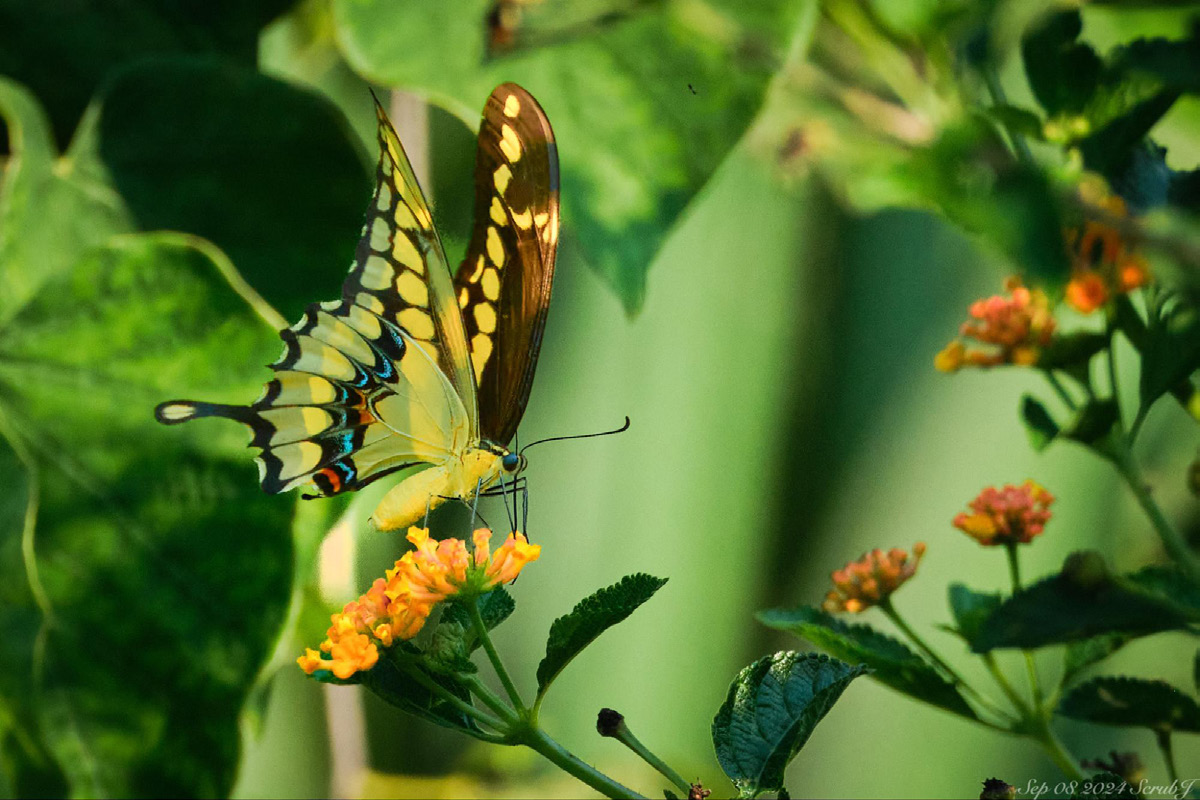
It’s springtime, with blooms everywhere, and who wouldn’t appreciate a pair of colorful wings dancing in front of their eyes? In this issue, your avian specialist takes a small detour and presents some butterfly species on campus. While I haven’t surveyed the area thoroughly, there is a surprisingly rich collection of butterflies here, thanks to the variety of exotic flowers and plants.
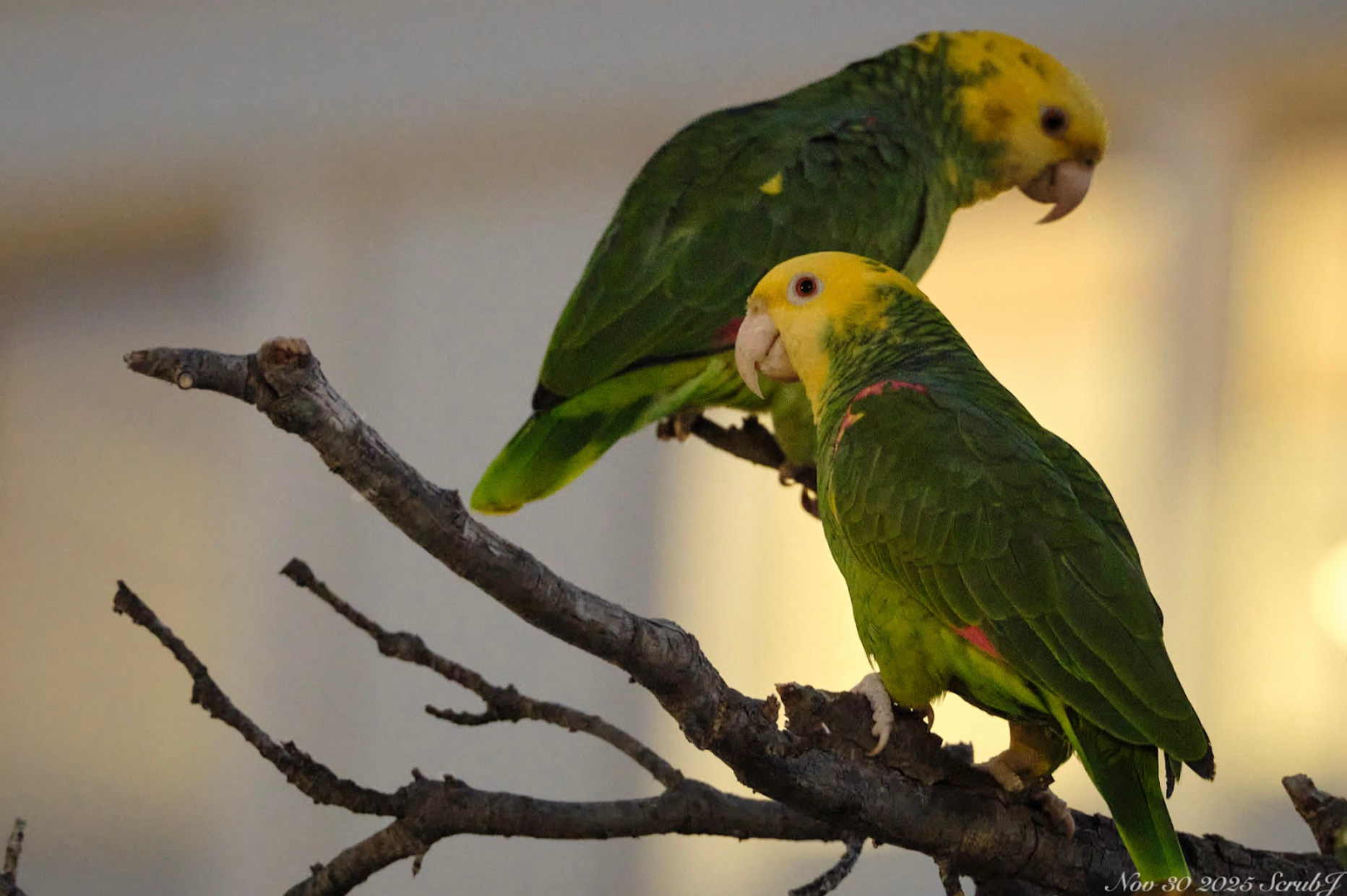
Here is a simple test of conscious living: ask a friend whether they’ve ever noticed the loud cries in the sky at sunrise and sunset. If they have no idea what you are talking about, they are missing a surprising amount of life. Give them a concerned look and point them to this article.
Did you know that hummingbirds are a family of birds found exclusively in the Western Hemisphere (here chants the Bad Bunny version listing all American countries)? When I first arrived at Caltech, I found these hovering drones such a blessed sight.
Last month the Caltech community suffered the tragic loss of Parker Thompson. I did not personally know Thompson, but it warms my heart to see the many articles and photos on The California Tech dedicated to his memory.
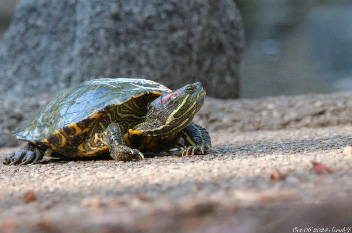
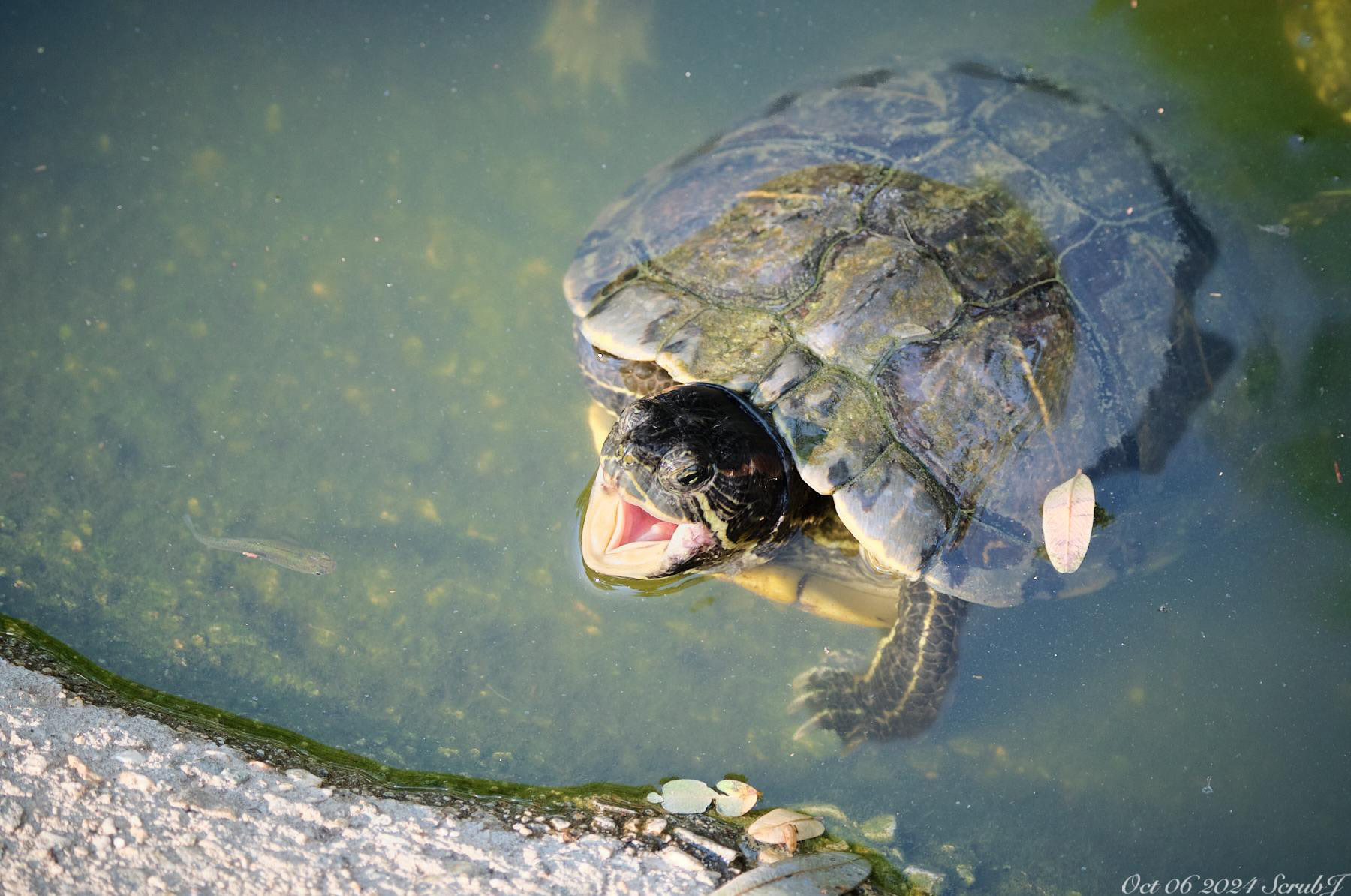
Finally, a column about the turtles! The turtles have been an integral part of the Caltech community, and much of this connection is made by the enthusiastic Caltech students themselves.
I received this writing assignment some time ago, but while trying to leave graduate school in one piece, it took longer than expected to sit down and write it. This opinion piece is aimed primarily at fellow Caltech undergraduates who are considering or applying to Ph.D. programs. Junior graduate students in their first few years, especially those interested in an academic research path, may also find it relevant, or at least unsettling.
Happy New Year to the loyal readers of my wildlife column! With ample winter rain and a lower likelihood of wildfires this year, it feels fitting to begin the term by turning our attention to aquatic animals and the ecosystems they inhabit.
If you don’t know yet, Caltech’s sex discrimination policy includes a specific clause (Article 15.5) prohibiting any relationship between employees—meaning faculty, postdocs, and staff—and undergraduate students. It also advises caution and professionalism in any relationship where a power imbalance exists.