I was not expecting much from Scandinavia. To be honest, I was a little afraid of whether the locals would be kind to foreigners, bringing back flashbacks of communication difficulties during my time in Japan. I also wondered if the countries, which seemed culturally homogenous, would be welcoming of my family and me, who are fairly Indian — we talk in Tamil and pack our own meals on flights and trains.
I was very pleasantly surprised to be proven wrong on all counts. Mostly, I was surprised at the amount of thought put into small details — the design of bridges, waiting areas in train stations and everyday buildings. It’s no surprise that Scandinavian design is famous — I saw the Egg chair and the Ekstrem chair.
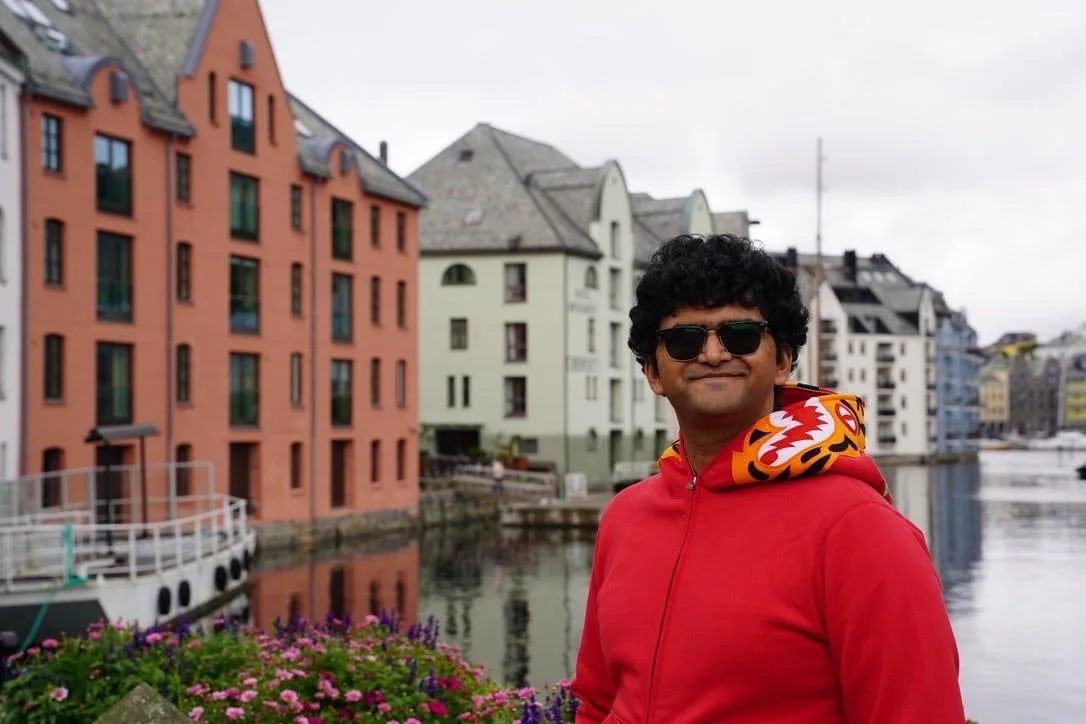
Almost every city has its own lane of beautifully colorful buildings in and around the city center and “hipster” areas (which I learned is just the hush-hush way of saying expensive). I was not expecting the buildings to be this colorful.
My trip made me think hard about the importance of large open green spaces in the city. I recently read about a proposal to convert a field to a convention center in Mumbai and wondered if the additional business was worth the loss in aesthetic and cultural value. I think reducing commercialism from the culture goes a long way — allowing people to spend a day at a well-maintained park goes further than forcing people to buy food and drink at yet another coffee shop that runs on negative margins.
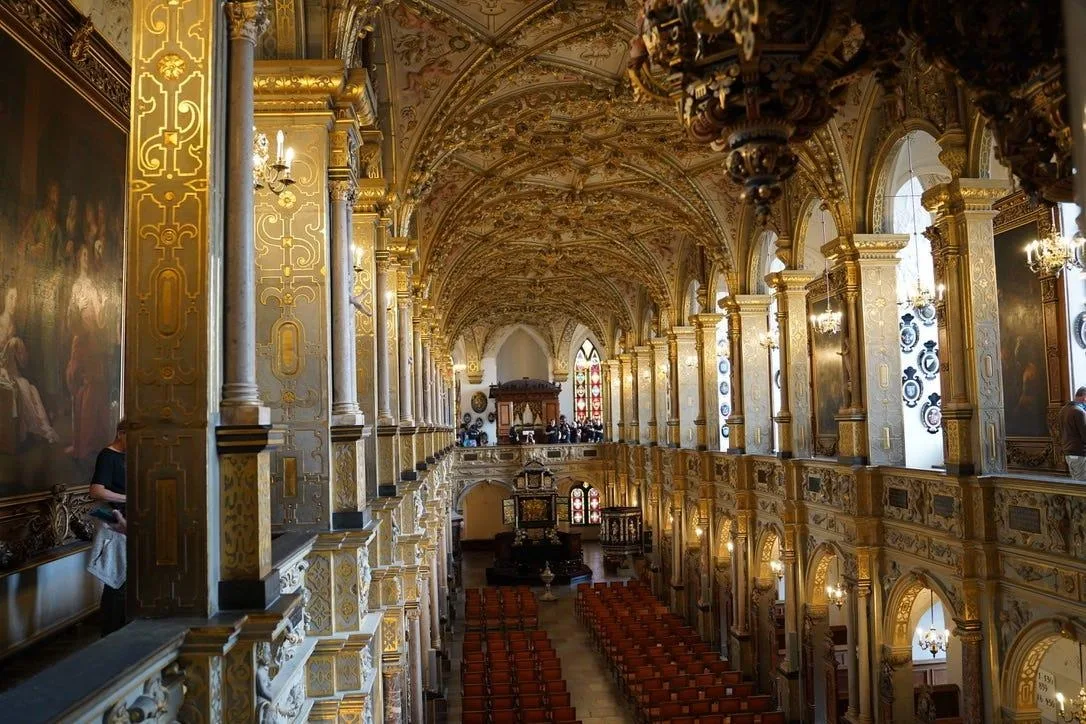
I also didn’t expect as many Baroque-era castles and was in awe of the ostentatious furniture, interiors and grounds of the castles I saw. Castles are constantly undergoing maintenance and construction, which makes you feel like history is a continual process that you are experiencing, rather than just witnessing from afar. Most of the changes made today are indistinguishable from the style the castles were constructed in.
The paintings of the various noblemen and women whose names aren’t mentioned anywhere in history make me want to give more importance to the work of lesser-known officials in our society — we should celebrate the maintainers of our societal fabric: the secretaries of education, labor and finance across levels of government.
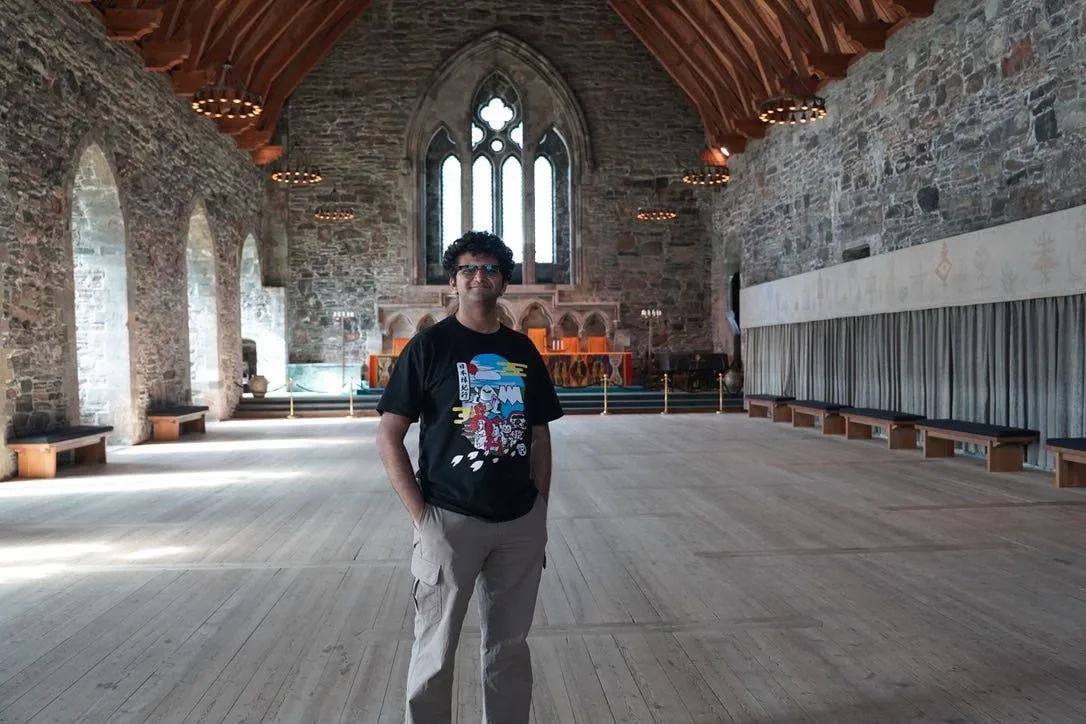
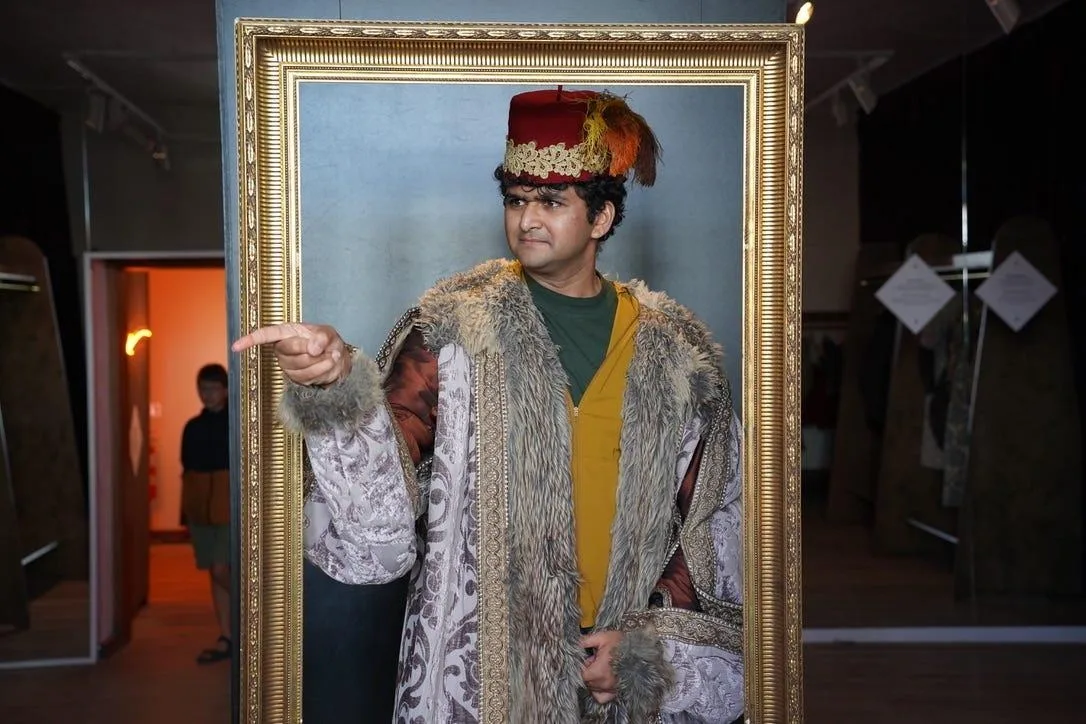
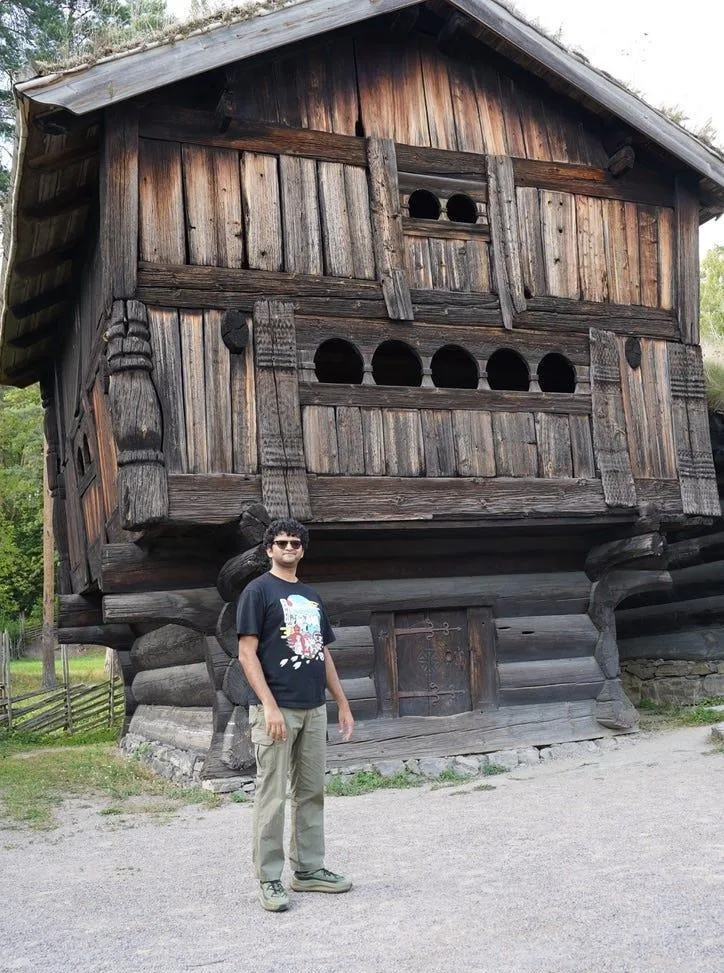
The museums had a lot of engaging exhibits: photo booths with frames, props and interactive exhibits about Vikings, the dressing sense of old kings, and a food tour of their parties. My eyes were also opened to the concept of outdoor museums. One outdoor museum has painstakingly disassembled houses, buildings of commerce and a stave church from the 13th century and reconstructed these ancient buildings on the grounds to create the feeling of being in a historic Scandinavian town. As someone who thoroughly enjoys being transported to new times and places, I found this thoroughly immersive. Though I missed the actors’ reenactments of how cows were milked in the 1800s, walking through the lanes where cows were kept and spending time in the stave church gave me an appreciation for the aesthetic of the Middle Ages.
It was very interesting to see human remains and other objects recovered from bogs on display in the museums. Maybe one can generalize that the Vasa itself, a six-story-high ship recovered from the mud after over 300 years underwater, is a bog object. I would have loved to see what my ancestors wore, what they carried or what they did. It’s also surprising how easy it is to relate to our ancestors found in bogs. They’re doing something we often do — picking berries, working on farms or resting from travel — all before the dawn of the internet and the iPhone. As easy as it is to go to another country and experience a different culture, I wish it were as easy to go back in time and experience another time. I’m sad I didn’t get to fully immerse myself in the Viking exhibit in Copenhagen. The Vikings are truly an interesting culture, with myth and survival stories paralleling a great civilization, but with far fewer artifacts globally.
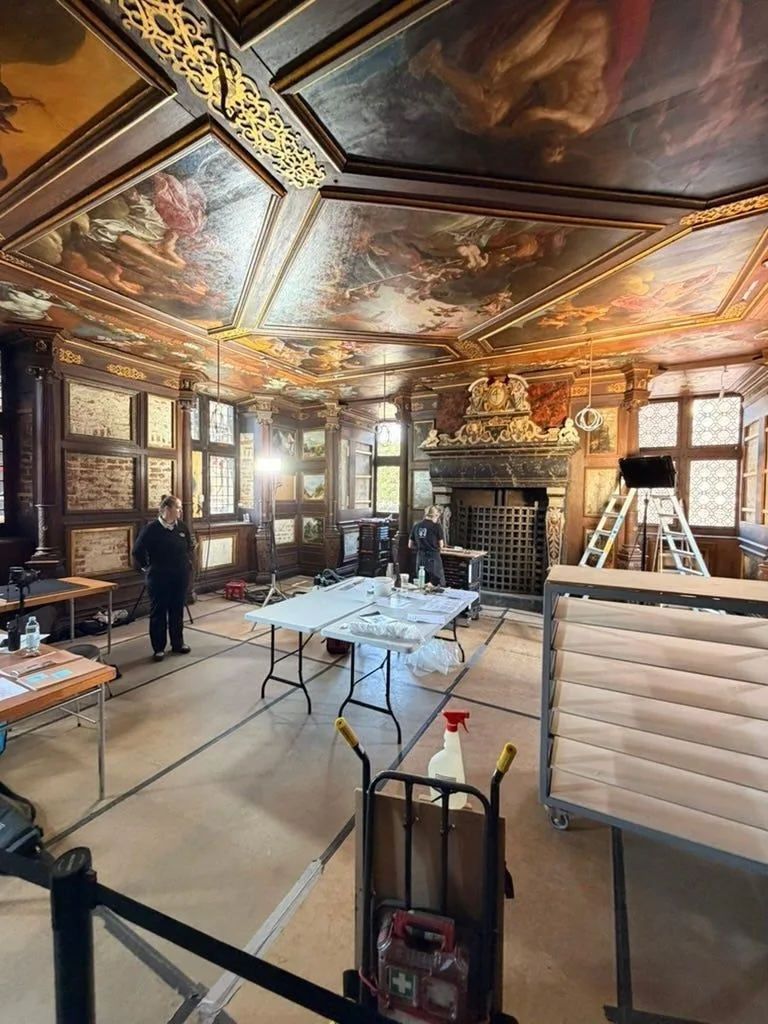
At the Schøtstuene museum in Bergen, the guide knew that a color on a wall was incredibly expensive at the time it was painted. I wondered how the guide knew this, given how long ago these events transpired, but the tourist infrastructure — how well the guides were trained, what information they had, and how they preserved an original panel from the 1600s and built the experience around it so they could immerse the audience in the room — created a very compelling experience for everyone there.
The public transit was generally very comfortable. Trains and buses were air-conditioned, electric and generally on time. Vehicle ferries ran, and my folks saw a bus get loaded onto a boat for the first time. Almost all the drivers spoke English, and we were seldom lost or looking for direction. Many times, instructions were relayed in English, which was super helpful.
Tourist passes really were a game changer throughout my trip. Most places had really good tourist infrastructure and almost every entry kiosk had a functional ability to scan QR codes even on complicated passes that allowed you to visit only one of three places from a certain tier, etc. Each transport form — metro, train, bus, tram, ferry — was in sync about what tickets were allowed, and all drivers (save for one in Bergen) were aware of the various privately operated tour company QR codes. Some tourist passes even had discounts at certain restaurants.
The Norway in a Nutshell pass was similarly very simple to use — the buses and trains, despite being public transit, were timed and placed perfectly to allow tourists to transition from connecting trains. We only had one issue when our ferry was about to leave before a bus arrived, but we made it on. In another family’s case, one guy made it on but the mother who was limping missed the boat. They turned the 100-plus-person ferry around to pick her up, which was quite impressive.
Almost all the tourist spots we went to in Scandinavia were very mobility-friendly. We opted to take elevators everywhere and often had mobility constraints with large suitcases. In almost all the castles, museums and train stations, there were accessible elevators and escalators. Even in the Stockholm palace, where there was no visible elevator, we were escorted to a hidden elevator that was activated on the outside by security, which made us feel very cool.
One caveat: I didn’t eat out much in Scandinavia. I traveled with parents who don’t eat out much. However, there are two things I was impressed by: how vegetarian-forward the region was, and the pastries and milk products. A little shop outside a railway station 30 to 40 minutes outside the center of town, somewhere near Fruängen, had a whole vegetarian/alternative meat menu. This is remarkable — the LA equivalent would be my DREAM of one day eating vegetarian tacos from a taco truck. Even a climbing gym under the Romsdalsgondolen — a gondola in Åndalsnes, a town a few hours from a major city in Norway — had a veggie burger.
I had a few pastries from a few different shops across Scandinavia. They were not all as sugar forward as the ones I was used to here in the States. On average, they were not overly sweet and had interesting flavors compared to the usual fare I get in coffee shops in LA. The poppy seed and cardamom rolls were of note, but not prepared with the same level of expectation everywhere. The milk here is thinner; thus, the yogurt is more like ayran. It’s not tart, which I liked. Because the milk solids are different here, the candy is different — I hoarded up way too much chunky KitKat from Europe and am keen on disbursing it to add philanthropy to my resume. Please let me know if you would like to be on the receiving end.
All images provided by Surya Narayanan Hari.