As I read Richard Gruner’s guest commentary, “Lost Caltech,” in the October 6 Tech, I experienced a myriad of emotions and thoughts. Sadly, something has indeed been lost at Caltech over the years. As an undergrad here myself in the early ’90s and as staff since 2004, I have been able to observe many of the gradual changes that have led to this disproportionate (relative to peer institutions and earlier graduating classes) alumni dissatisfaction with our school that he mentions. I have seen these changes and disliked many of them, but I understand… that change is inevitable. Liability was already getting to be a huge issue when I attended and has only gotten bigger since. The bureaucracies, such as Student Housing or Security, have gotten larger and more professional, which is to say, stricter and less forgiving of random potential damage that may occur as a result of some student’s inspired act of genius. That’s part of the result of keeping up with the times. But some things have very clearly been lost unnecessarily, in my opinion, by not taking full advantage of Caltech’s small size and building a stronger sense of community in a way that is only really possible to do here.
I agree with Richard’s commentary that Frosh Camp was/is an excellent way to immediately establish the foundation for it. Instead of the unique experience of Frosh Camp, its replacement—several days spent reassuring parents that their children will be okay here—seems more like the handholding that any expensive private college fearful of losing tuition revenue would engage in. Tuition revenue? Hah.
I was a frosh here for the last true Interhouse, with its fence around half of campus, and witnessed what a disaster that was, so I understand why it went away. Still, I do agree again with Richard that a big house-wide project early on can really create strong ties among House members. Endeavors that tap into the individual creativity of students in the pursuit of collective and inspirational goals like that should be encouraged rather than severely limited or dismissed outright. They go a long way towards creating a sense of camaraderie, and even kind of a family. As much as I (and many others) struggled at Tech, knowing that there was a tight-knit group supporting me made all the difference and was central to what made my experience here so special. It’s not something that you can find just anywhere, but it’s eminently doable here. Supporting things that promote House unity/community so that Houses become more than just dorms that you can find on any random campus, I think, is the biggest thing that can be done to address the level of dissatisfaction that Richard noted.
One thing that does NOT help build up House culture is having Alumni Weekend just a few weeks into the term to coincide with a nonexistent Homecoming week. (Postgraduate alumni might end up having to choose between Tech or their undergraduate institution, for gosh sakes.) Instead of already being familiar with the House and being curious to hear stories from the past, which used to happen when Alumni Weekend (for decades!) took place in the spring, frosh a couple weeks into the fall term are more likely to view sitting around with old strangers as detracting from their time to work on their problem sets. (Also, it felt really alienating that unless we paid to attend the weekend, alumni weren’t invited to the “House Happy Hours.” Like, does Caltech only care about alumni if they’re gonna fork over some $$? Oh but I digress…)
Ultimately, I feel that the problem of undergraduate dissatisfaction is greatly exacerbated when things are handled in a way that disregards how small and special Tech is and can be. Because if you take away the elements where Tech’s unique environment can be an advantage socially and treat students like you would at any other university, then what you end up with is… a place just like any other university, except exponentially harder. So it wouldn’t be surprising that many more would be unhappy at the end of it.
I realize that the undergraduates at Caltech have never been a high priority (there’s the common joke that former Registrar and Institute Historian Judith Goodstein wrote a book about Caltech, but only mentioned undergrads twice) but to the extent that it is, some consideration given to encouraging the development of a closer undergrad community could go a long way.
Change is inevitable… but it doesn’t have to be inevitably bad.

Gary Lorden (BS ’62), professor emeritus of math and former vice president for student affairs, watching over us even in the ’90s. (Credit: THE BIG T, 1993)
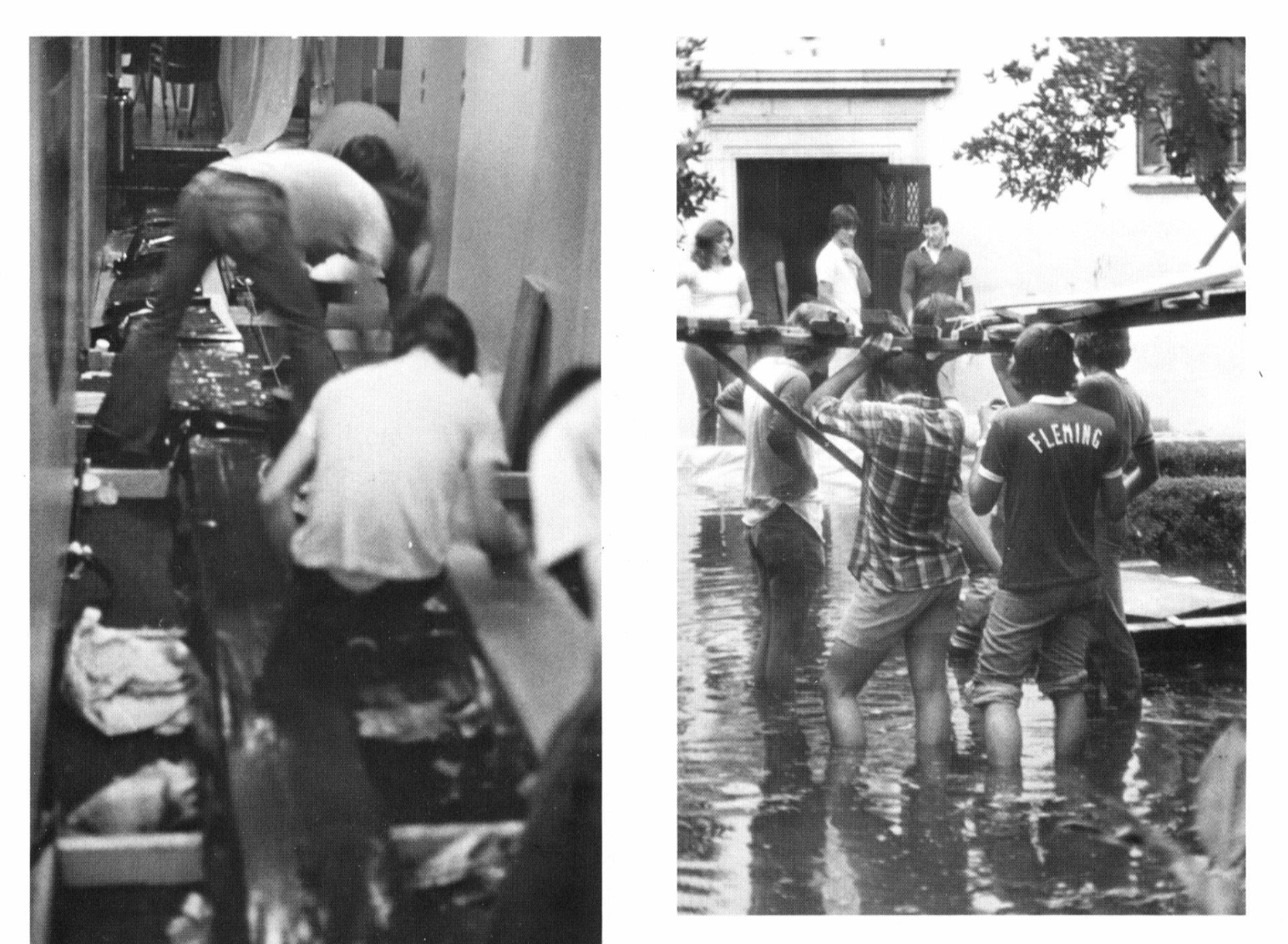
Interhouse. (Credit: THE BIG T, 1981)
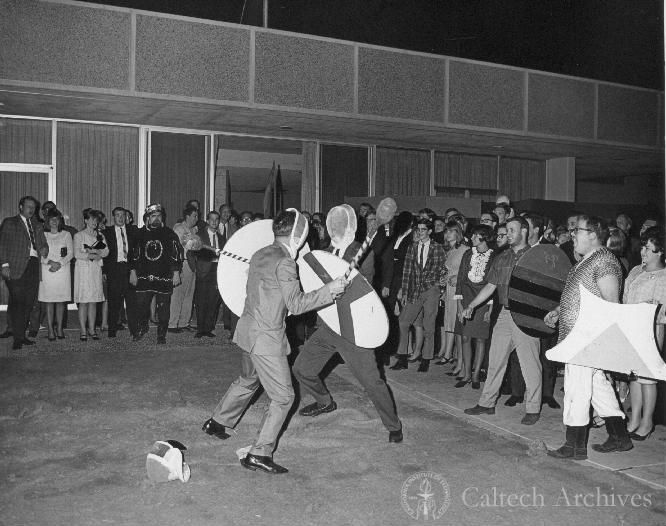
November 1966 Interhouse. (Credit: Caltech Archives)
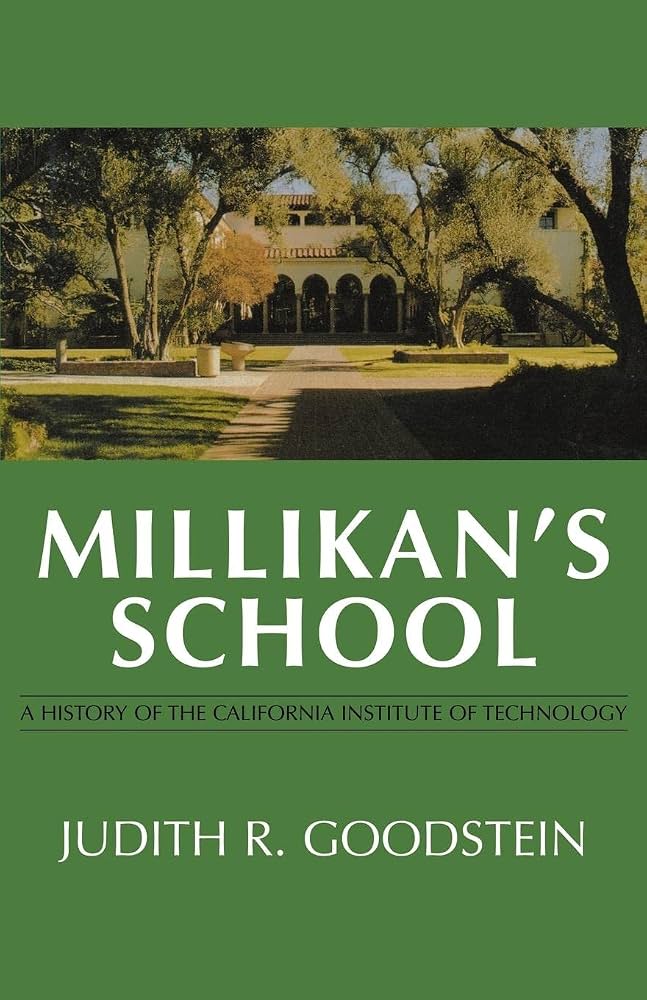
(Credit: W. W. Norton & Company)