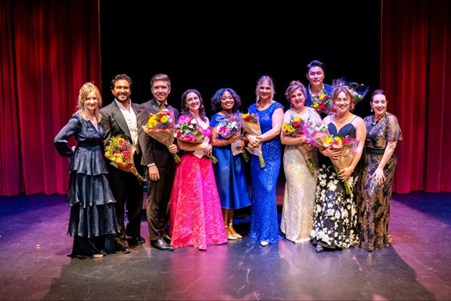
In the bubble of STEM academia, the ages 22-33 are reminiscent of college graduations, graduate studies, and perhaps a postdoc or two while navigating the faculty search process. Along the way, scholars may assemble portfolios and grants alike to request funding for their studies. The musical world is not too different from ours.
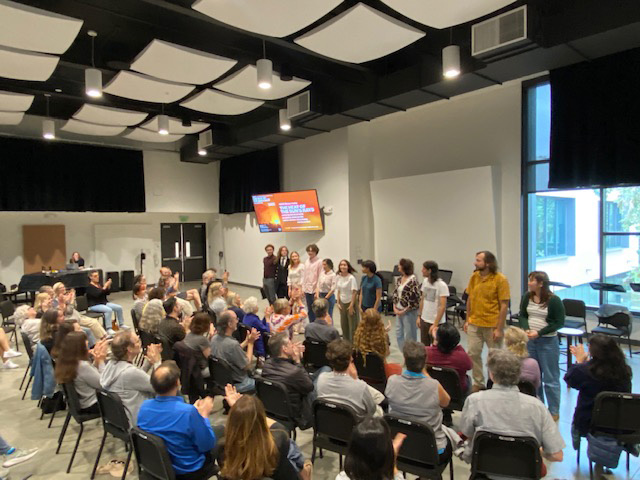
On May 16, in Frautschi Hall, Katherine Vondy’s The Heat of the Sun’s Rays received a staged reading as part of MACH 33, Caltech’s festival of new science-driven plays. Two earlier glimpses of the play had already entered the campus conversation: on April 11, during festival auditions at TACIT House, and on April 21 — during Earth Week — when the Resnick Sustainability Center hosted a reading of a selection from the script.
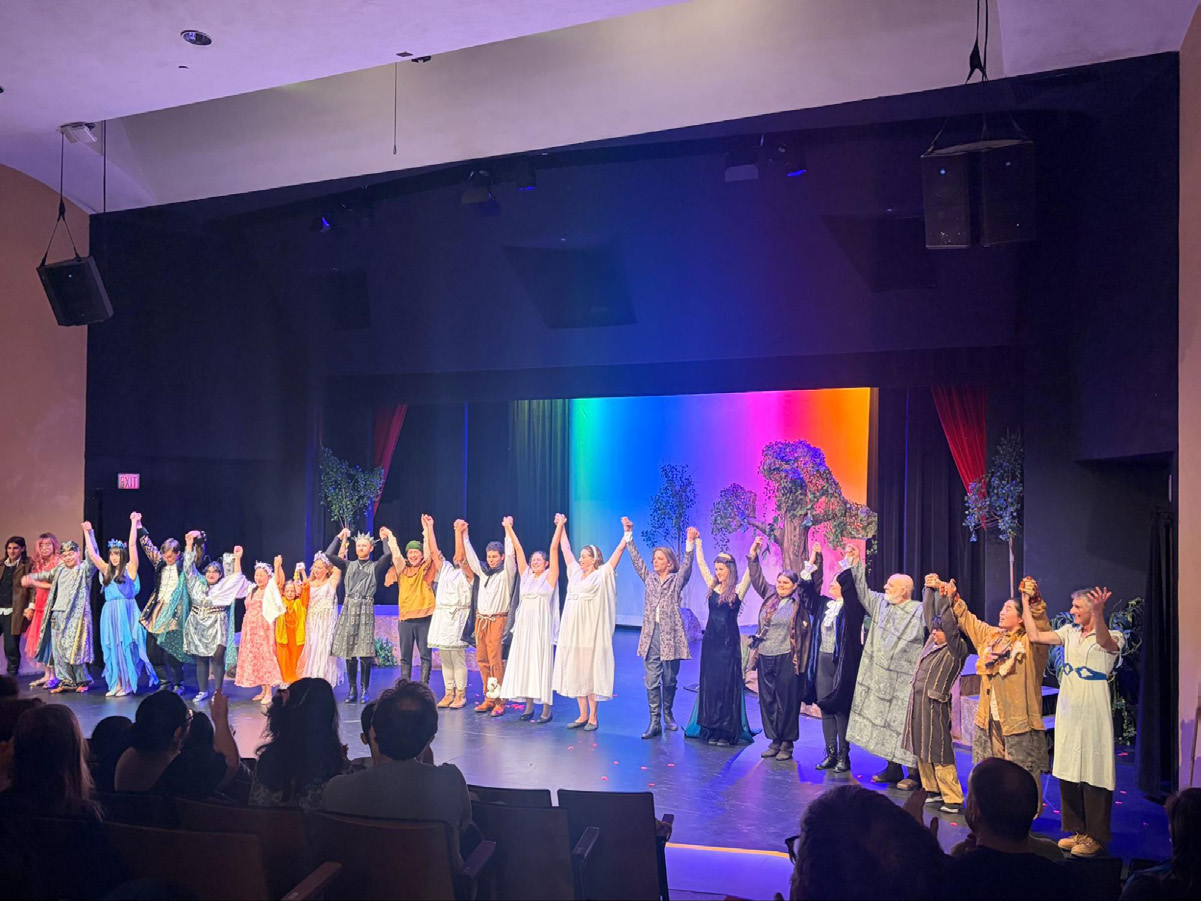
On May 1, 2, and 3, Caltech EXPLiCIT brought another Shakespeare classic to the Ramo Auditorium stage: A Midsummer Night’s Dream. It’s always a pleasure to watch this play, no matter how many versions you’ve already seen.
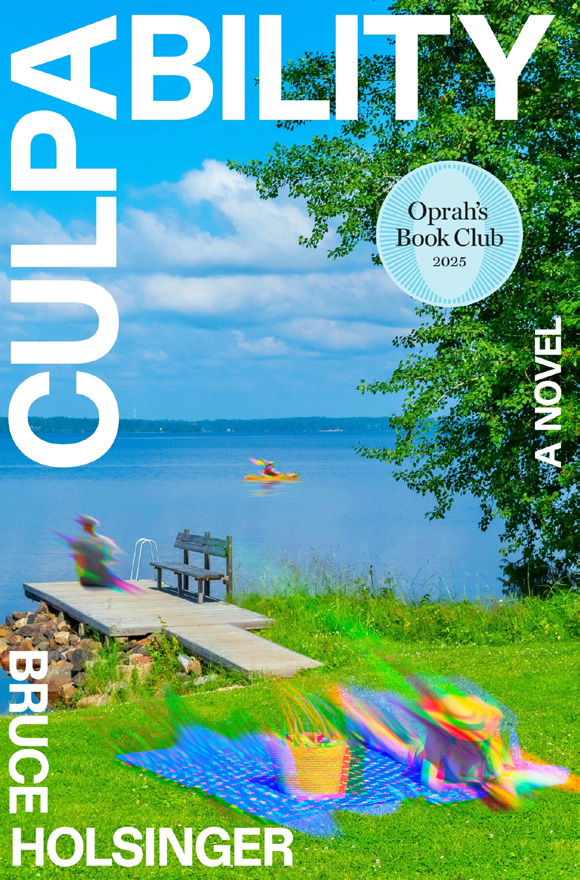
On a warm California evening this past Monday, May 11th, the Dabney Lounge at Caltech became an unlikely intersection of medieval scholarship, literary fiction, and cutting-edge artificial intelligence ethics. In a campus that feels so arid and scientifically focused, escaping for one hour in literature and fancy words was extremely beneficial!
A recent cybersecurity incident involving Canvas, the learning-management system operated by Instructure and used throughout Caltech, disrupted universities during exams week and raised concerns about the possible exposure of user data. Instructure claims it detected unauthorized activity on April 29 and additional related activity on May 7, when some users saw altered Canvas pages; the company temporarily placed Canvas in maintenance mode and later tied the access path to its Free-For-Teacher account system.
Robert Indiana’s LOVE, one of the most recognizable works of 20th-century American art, is set to be part of The Huntington’s permanent collection later this year. Originally created as a drawing in 1964, LOVE turned the everyday word into an iconic symbol.
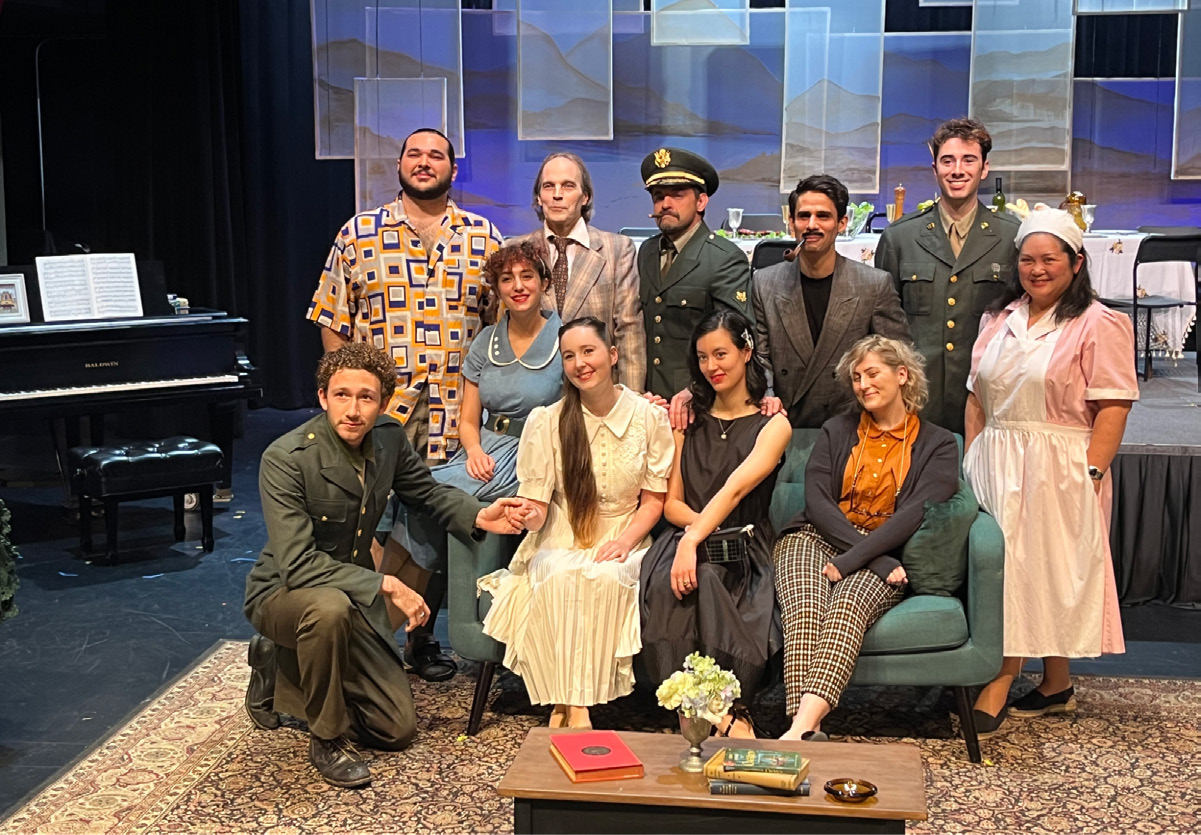
The production’s immediate triumph is visual: a gorgeous, impressionistic mountain range splashed across a collage of canvases, less backdrop than psychic weather. It made the high-desert setting feel both immense and airless, a place with too much sky and not enough future.
That soothing strip / Of human mind. / That whisper of echoes / Of from beyond. / That rose that rotates / Of red petals. / That emergence / Of light from dark. / That asymptote / Of familiar tones. / That lovely boundary / Ushering forth. / That special you / In your gaze and hues. / Fathomed to / Through and true. / Under the sun, the moon, / The spring and its dews.
In my three years at Caltech, I have learned one undeniable truth: winter terms are the hardest. If you aren’t grinding through core requirements, you’re battling the occasional rains and winds. If not the weather, then some burning bush (literal and metaphorical). The moral is simple — in winter, things just happen.
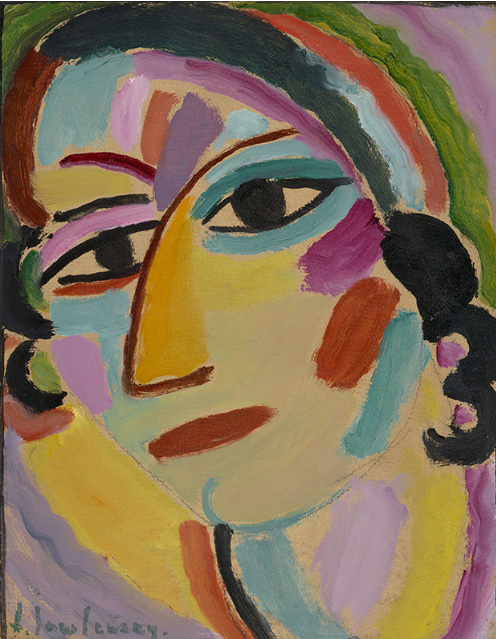
In 1915, Emilie Esther Scheyer came across The Hunchback (1911) by artist Alexei Jawlensky in Lausanne, Switzerland. The painting was so impactful that she was determined to meet Jawlensky, setting the course for her life and career, as well as the development of modern art in California.